Loch Ard Gorge
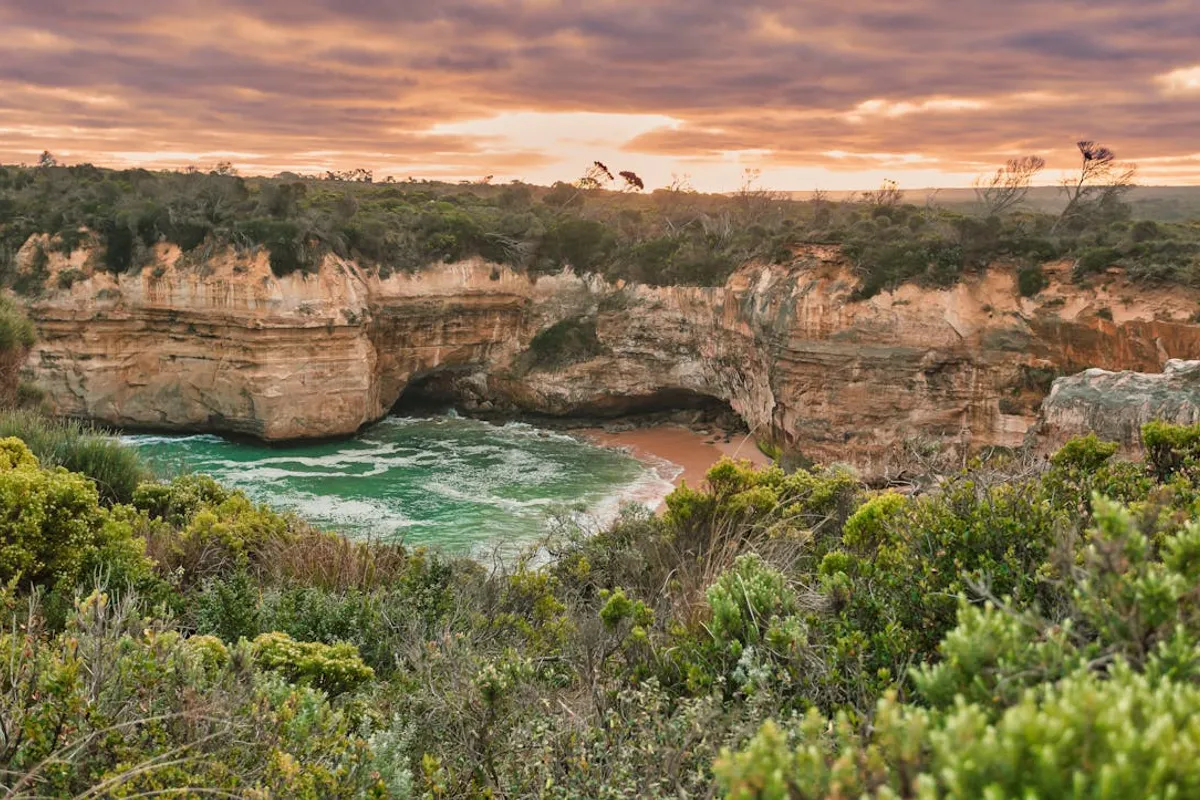
Loch Ard Gorge is a stunning narrow gorge carved into limestone cliffs near [Port Campbell](/au/places/vic/port-campbell), named after the…
Natural Landmark in Victoria
Photo: Aprew Mprew (Pexels License)

Stays near Loch Ard Gorge
Find Nearby Accommodation
Hotels, apartments, hostels and luxury stays
We may earn a commission from bookings made through these links, at no extra cost to you.
About Loch Ard Gorge
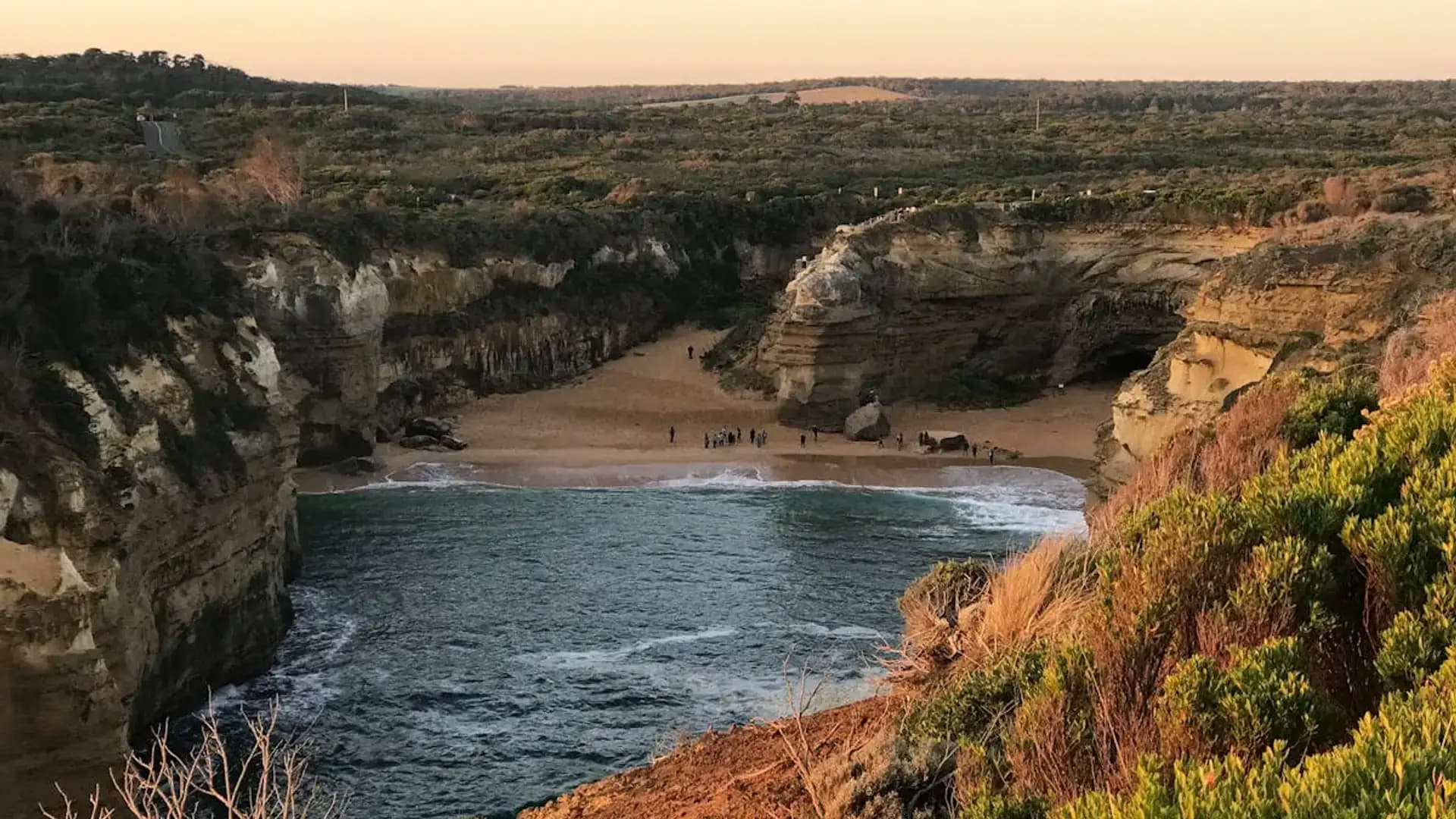
Loch Ard Gorge is a stunning narrow gorge carved into limestone cliffs near [Port Campbell](/au/places/vic/port-campbell), named after the iron clipper Loch Ard that wrecked nearby in 1878. The gorge features a sheltered sandy beach accessible via steep stairs, dramatic cliff faces, and a series of interconnected walkways. The site has both natural beauty and significant maritime heritage.
Tours and Experiences
Tours & Experiences
 Selling fast
Premium Great Ocean Road Tour IN A Relaxed Way IN Premium Coach
4.9(93)
 Selling fast
Great Ocean Road Reverse Itinerary PREMIUM Tour - Max 12 Guests
4.9(756)

Great Ocean Road Tour Reverse–LTD GRP-DLUX Mini Bus Hotel Pickup
4.9(1,181)

Great Ocean Road Reverse Itinerary Boutique Tour - Max 12 Guests
4.9(4,463)

Great Ocean Road Full-Day Sunset Eco Tour from Melbourne
4.9(1,187)

Premium Great Ocean Road Tour Reverse - Max 11 Hotel Pickup
4.9(387)
Powered by Viator · Affiliate link
The Shipwreck Story
On the night of 1 June 1878, the iron-hulled clipper ship Loch Ard was three months into her voyage from England to Melbourne when thick fog closed in along the Victorian coastline. The ship had carried 54 passengers and crew across 17,000 kilometres of open ocean, and they were within hours of their destination. Just before dawn, the fog lifted briefly - long enough for the crew to see the towering cliffs of the Shipwreck Coast dead ahead. It was already too late.
The Loch Ard struck a reef at the base of Mutton Bird Island and sank within fifteen minutes. Of the 54 people on board, 52 drowned in the violent surf of the Southern Ocean.
The two survivors could not have been more unlikely. Tom Pearce, an eighteen-year-old apprentice officer on his first voyage, was thrown clear of the wreck and spent hours clinging to an upturned lifeboat before the current dragged him into a narrow gorge flanked by 20 to 30 metre sandstone cliffs. He hauled himself onto a small beach at the base of the gorge, battered and exhausted.
Hours later, he heard cries from the water. Eva Carmichael, a seventeen-year-old Irish emigrant travelling to Melbourne with her family - her parents, four sisters, and two brothers - had clung to wreckage through the night. Tom swam back into the surf and dragged her to shore. Every other member of Eva's family perished.
Tom climbed the sheer gorge walls to find help, eventually reaching a station at Glenample homestead. Eva was carried up on a makeshift stretcher. The story captivated colonial Australia. Newspapers speculated about a romance between the two young survivors, but Eva returned to Ireland within months. They never saw each other again.
That gorge - the one that sheltered Tom Pearce after the wreck - is the gorge you stand in today. The beach is the same beach. The cliffs have barely changed. Walking down the timber staircase to the sand, you are standing exactly where these events played out, and there is nothing separating you from the story except 148 years.
Walking Trails at Loch Ard Gorge
 The Loch Ard Gorge Precinct sits within Port Campbell National Park, about 3 minutes west of the Twelve Apostles along the Great Ocean Road. Parks Victoria maintains a network of short walking trails that loop through the precinct, each covering different ground. You could walk all of them in under two hours, but most people spend half a day here once they start reading the storyboards and watching the sea.
Loch Ard Gorge Walk
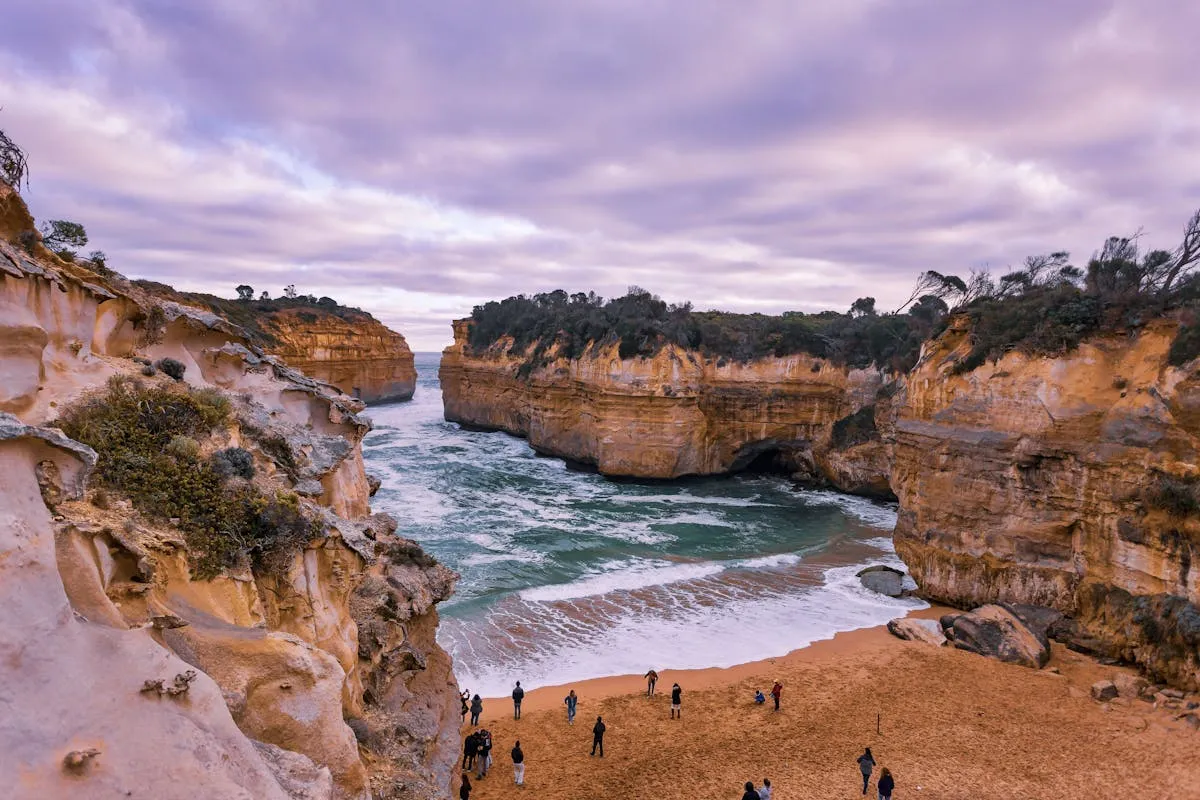
This is the main trail and the one most visitors do first. From the car park, a sealed path leads to the main lookout platform above the gorge - this lookout is wheelchair accessible, with a level surface and clear sightlines down into the amphitheatre of cliffs and the beach below. The view is immediately striking: a narrow channel of turquoise water cutting between sheer limestone walls, opening to the Southern Ocean beyond.
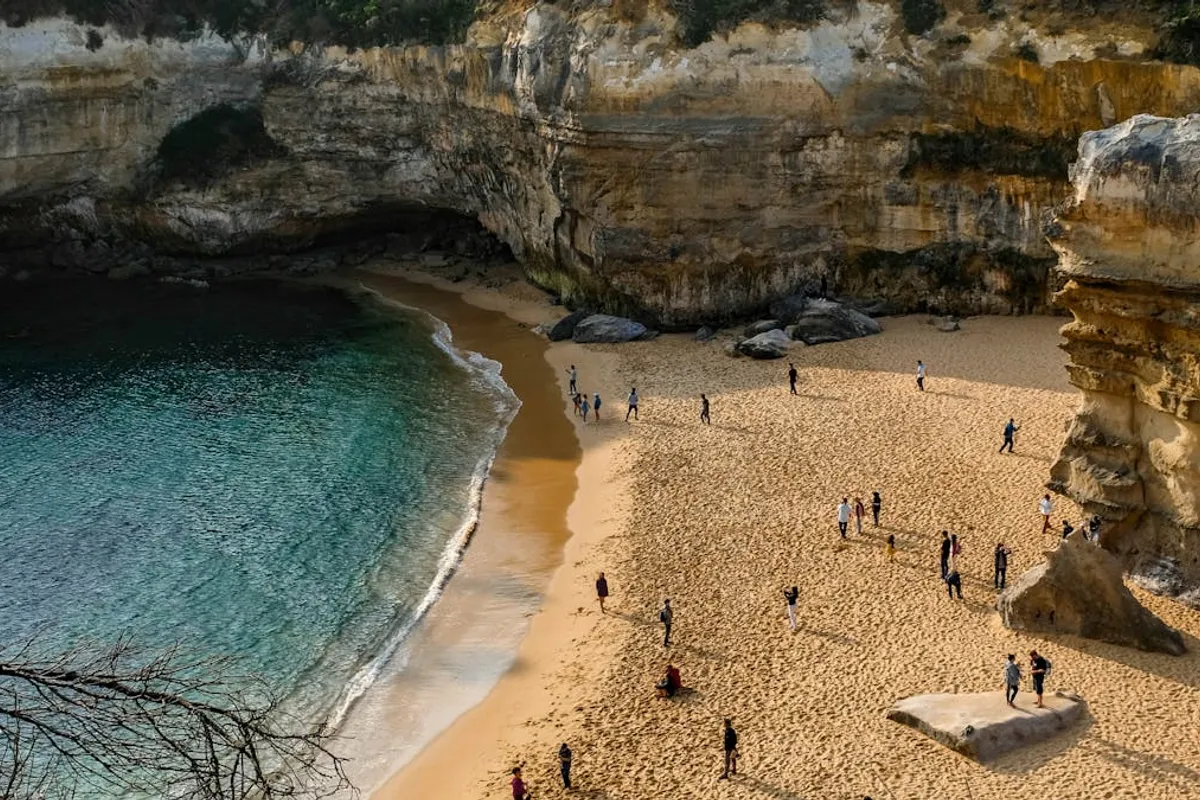
From the lookout, a steep timber staircase descends to the gorge beach. At low tide the beach is surprisingly spacious, a crescent of sand hemmed in by orange-gold cliff faces. The acoustics of the gorge amplify the sound of the waves, and on a big swell day the noise is extraordinary. This is where Tom Pearce washed ashore and where he pulled Eva Carmichael from the water. Interpretive panels at both the top and bottom of the staircase tell their story with excerpts from the inquest transcripts.
Shipwreck Walk
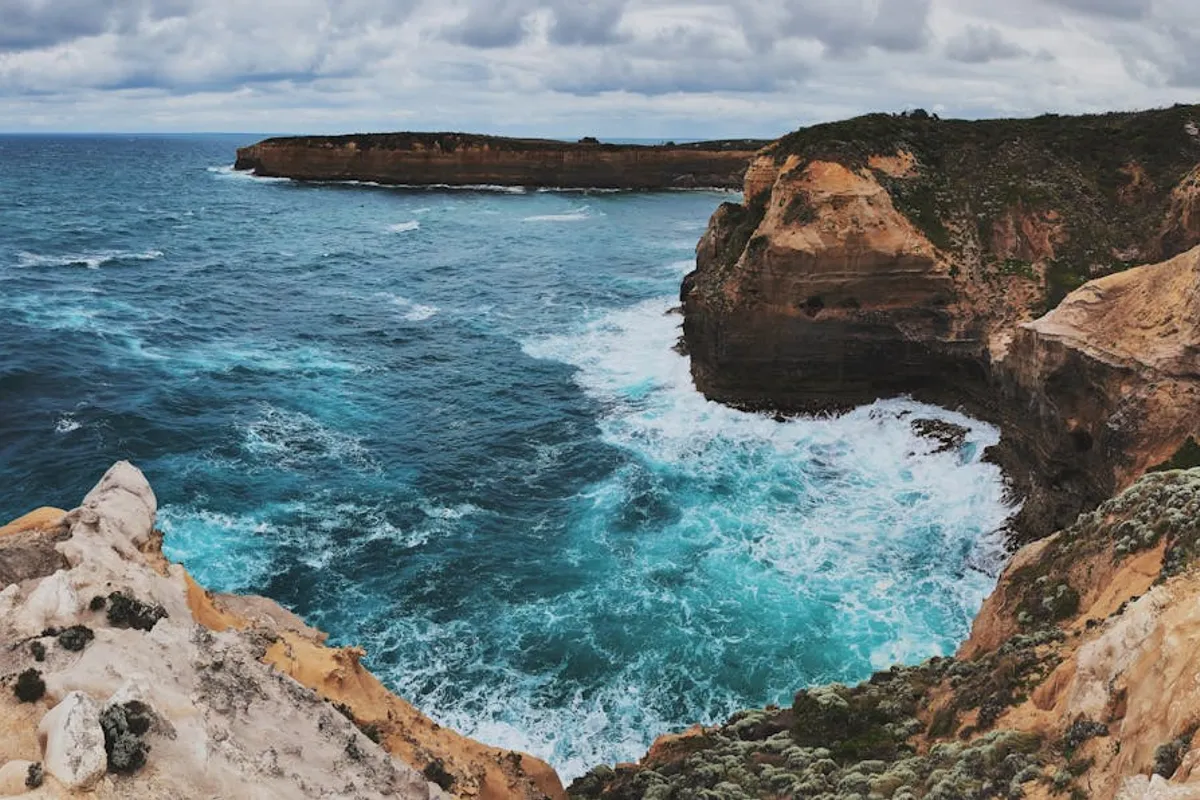
Heading east from the car park, the Shipwreck Walk follows the clifftop with views out over Mutton Bird Island - the island the Loch Ard struck before sinking. Storyboards along this trail cover the broader history of the Shipwreck Coast, which claimed more than 700 vessels between the 1830s and the early 1900s. The trail passes a cemetery where some of the Loch Ard victims are buried. It is flat, mostly sealed, and takes about 20 minutes return.
Geology Walk
This trail loops west from the car park along the clifftop, with information panels explaining how the dramatic coastal formations were shaped. The limestone cliffs here are relatively young in geological terms - deposited as marine sediment around 10 to 20 million years ago, then uplifted and exposed to the relentless erosion of the Southern Ocean. Water enters cracks, freezes, expands, and splits the rock. Waves undercut the base. Caves form, then arches, then the arches collapse to leave isolated stacks. The Twelve Apostles, the gorge itself, and every arch and blowhole along this coast are products of the same slow process of limestone dissolution.
Thunder Cave and The Blowhole
A short spur trail leads to Thunder Cave, a deep sea cave where incoming swells compress air and produce a deep booming sound that carries across the clifftop. On a calm day it is merely interesting. On a day with a strong south-westerly swell, it is genuinely dramatic - you feel the percussion in your chest before you see the spray erupt from The Blowhole, a vertical shaft where the compressed air forces seawater upward through a hole in the cliff. Stand upwind.
How to Get to Loch Ard Gorge
Loch Ard Gorge is roughly 4.5 hours' drive from Melbourne via the Great Ocean Road - longer if you stop frequently, which you will. The most common approach is westbound along the B100 from Torquay through Lorne, Apollo Bay, and the Otway Ranges before the road emerges onto the open grasslands behind the coast.
 The gorge car park is well signposted, sitting between the Twelve Apostles (3 minutes east) and the town of Port Campbell (about 10 minutes west by car). Parking is free and the lot is large, though it fills quickly in summer. There is no public transport directly to the site - you will need a car, a tour bus, or a very committed cycling habit.
Entry to Loch Ard Gorge is free and no booking is required. The car park and trails are open from dawn to dusk year-round. If you are planning a multi-day drive along the Great Ocean Road, a trip planner helps you sequence the stops so you are not doubling back.
When to Visit Loch Ard Gorge
The golden hour before sunrise is the best time for photography. The gorge faces roughly south-east, and early morning light catches the upper cliff faces while the gorge floor stays in shadow - the contrast is superb. By mid-morning in summer, the light is harsh and flat.
Winter visits have their own appeal. The Southern Ocean swells are bigger, Thunder Cave is louder, The Blowhole throws spray higher, and the car park is nearly empty. Pack layers - the wind coming off the ocean cuts through anything light. Temperatures along this stretch of coast sit around 8 to 14 degrees in winter and 15 to 25 in summer, but the wind chill on the exposed clifftops can make it feel significantly colder.
Avoid arriving between 11 am and 2 pm in January if you want any sense of solitude. The site receives over a million visitors a year, and the midday crush in peak season is considerable.
The Geology
The coastline between Princetown and Peterborough - the stretch branded as the Shipwreck Coast - is built from Port Campbell Limestone, a soft calcarenite that erodes at a measurable rate. The cliffs retreat by roughly 2 centimetres per year on average, though collapses can remove metres of rock in a single event.
The most dramatic recent collapse was Island Archway, a double-span natural bridge visible from the precinct trails. On 10 June 2009, the arch collapsed without warning, leaving two separate pillars standing in the surf. If you visited before 2009, the formation you remember no longer exists. Interpretive signs at the viewpoint show before-and-after photographs.
The Razorback, a narrow fin of rock jutting seaward from the cliffs, is another formation in the precinct that illustrates the erosion process clearly. It was once part of the headland; wave action eroded both sides until only a thin blade of limestone remained. It will eventually collapse too. Everything along this coast is temporary - the question is whether the timeframe is centuries or decades.
Tips for Visiting
Footwear matters. The staircase to the gorge beach is steep and can be slippery after rain. Thongs are a poor choice.
 Allow more time than you think. Most visitors plan 30 minutes and stay 90. The trails are short individually, but there are several of them, and the storyboards are genuinely worth reading.
Bring water. There are toilet facilities at the car park but no café or kiosk at the gorge precinct itself.
Helicopter flights operate from the 12 Apostles heliport, a few minutes' drive east. These give an aerial perspective of the gorge, the Apostles, and the full sweep of the Shipwreck Coast. Flights start from around 15 minutes duration.
Stay on marked paths. The cliff edges are unfenced in places and the limestone is undercut - ground that looks solid may have nothing beneath it. People have died here from cliff collapses and falls.
Mobile reception is intermittent. Download offline maps before you arrive.
Nearby Attractions
Loch Ard Gorge sits in the densest concentration of coastal formations along the Great Ocean Road. Within a 15-minute drive, you have several other significant stops.
Twelve Apostles - 3 minutes east. The most photographed landmark on the coast, though only eight stacks remained before recent collapses reduced the count further. The visitor centre and main lookout are wheelchair accessible.
Gibson Steps - 5 minutes east of the Apostles. A staircase cut into the cliff face leads to a beach at the base of 70-metre cliffs, where you can stand next to the Apostles stacks at sea level. Check tide times before descending - the beach disappears at high tide.
London Arch - 10 minutes west. Formerly London Bridge, the arch lost its land-connected span in 1990, stranding two visitors on the outer section (they were rescued by helicopter). The remaining arch is still impressive.
 Bay of Islands - 15 minutes west toward Peterborough. A less-visited collection of stacks and islands, often quieter than the Apostles.
Port Campbell - the nearest town, 10 minutes west, with accommodation ranging from caravan parks to self-contained cottages. It makes a practical base for exploring the national park over two or three days rather than trying to see everything in a single rushed drive from Melbourne.
Warnings
Getting There
Location and map
2km east of Port Campbell township on the Great Ocean Road. Turn onto Loch Ard Gorge Road; large car park available.
Nearest airport
Visitor Tips
- •Walk the complete Loch Ard Gorge trail loop (1.5km) to visit the cemetery, the gorge, and Broken Head lookout. The best photographs of the beach are taken from the clifftop lookout above.
Tours & Experiences
Selling fastPremium Great Ocean Road Tour IN A Relaxed Way IN Premium Coach
4.9(93)
Selling fastGreat Ocean Road Reverse Itinerary PREMIUM Tour - Max 12 Guests
4.9(756)
Great Ocean Road Tour Reverse–LTD GRP-DLUX Mini Bus Hotel Pickup
4.9(1,181)
Powered by Viator · Affiliate link
Find Nearby Accommodation
Hotels, apartments, hostels and luxury stays
We may earn a commission from bookings made through these links, at no extra cost to you.
Quick Facts
At a Glance
The Place
- Significance
- State
Plan Your Visit
- Entry
- Free
- Duration
- 1-2 hours
- Best Time
- Morning for calmer seas and good light; summer for beach access
- Hours
- Open 24 hours.
Location
- Area
- Princetown
- Region
- Great Otway
- State
- Victoria
Highlights
Activities
Features
Facilities
Travellers also visited
Tap + to build a trip
Find Nearby Accommodation
Hotels, apartments, hostels and luxury stays
We may earn a commission from bookings made through these links, at no extra cost to you.
Nearby
Campsites(5)
Trails(3)
Attractions(5)
Toilets(3)
Groceries(1)
Fuel(4)
Dump Points(2)
Simpson Recreation Reserve Dump Point
Free · 22.7km
Timboon Dump Point
Free · 24.5km
Pubs(3)
State Forests(5)
Princetown Wildlife Reserve (hunting)
Recreation · 5.3km
Aire River Wildlife Reserve (hunting)
Recreation · 34.2km
Cobrico Swamp Wildlife Reserve (hunting)
Recreation · 41.6km
Lake Gillear Wildlife Reserve (hunting)
Recreation · 50.9km
Framlingham Forest Indigenous Protected Area
Recreation · 56.8km