
Find Nearby Accommodation
Hotels, apartments, hostels and luxury stays
We may earn a commission from bookings made through these links, at no extra cost to you.
World Heritage Status of Uluru (Ayers Rock)
- Status
- UNESCO World Heritage Site
- Year Listed
- 1987
- Criteria
- Natural (vii)(viii)(ix) and Cultural (v)(vi)
- Management
- Jointly managed by Anangu traditional owners and Parks Australia under a lease-back arrangement since 1985. The Uluru-Kata Tjuta Board of Management has an Anangu majority.
- Conservation
- Protected as a national park and World Heritage area. Climbing was permanently closed in October 2019 out of respect for Anangu wishes. Key threats include tourism pressure, feral animals, and climate change affecting water sources.
About Uluru (Ayers Rock)
Uluru (Ayers Rock) sits on the traditional lands of the Anangu (Pitjantjatjara and Yankunytjatjara peoples). The name refers to the rock itself in the Pitjantjatjara language. Its deeper significance is held within Anangu culture and Tjukurpa (law).
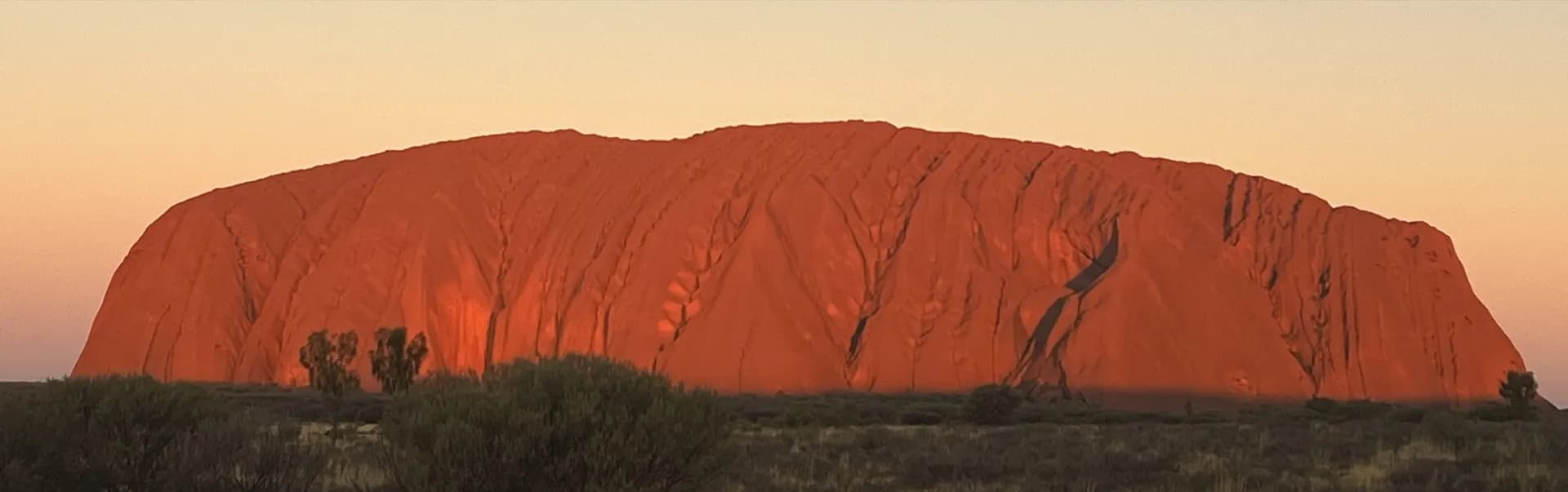
Uluru is one of Australia's most recognised natural landmarks and one of the most sacred places in Aboriginal Australia. Rising 348 metres above the flat red desert of the Red Centre, this enormous sandstone monolith has been central to the culture, law, and identity of the Anangu people for more than 30,000 years. For all Australians, it stands as a symbol of the deep connection between this continent's oldest living culture and its ancient landscape.


Things to Do at Uluru
The Base Walk (10.6km)
The full circumnavigation of Uluru is one of Australia's great day walks. The 10.6-kilometre flat trail loops around the entire rock at ground level, taking roughly 3.5 hours at a comfortable pace. Start early, ideally at first light, to beat the heat and catch the morning colours shifting across the rock face.
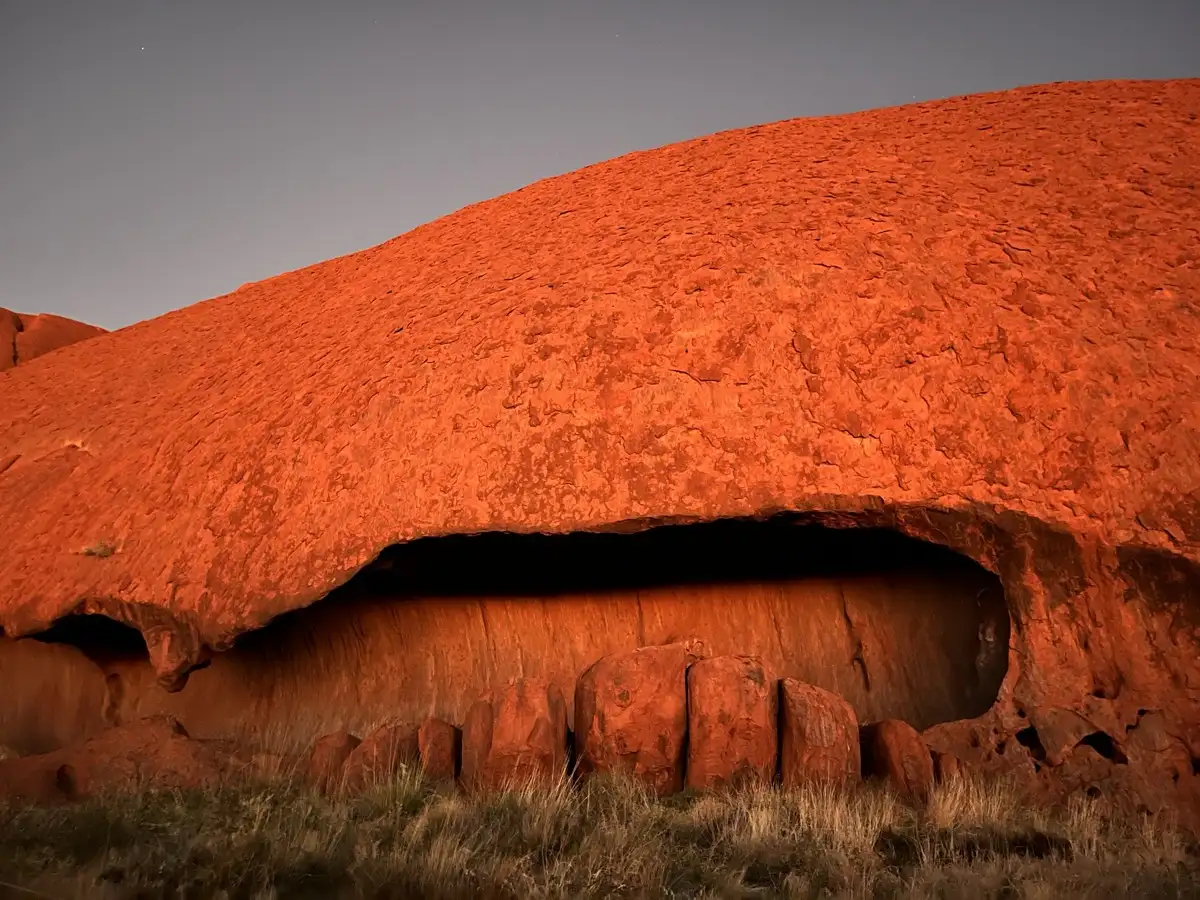
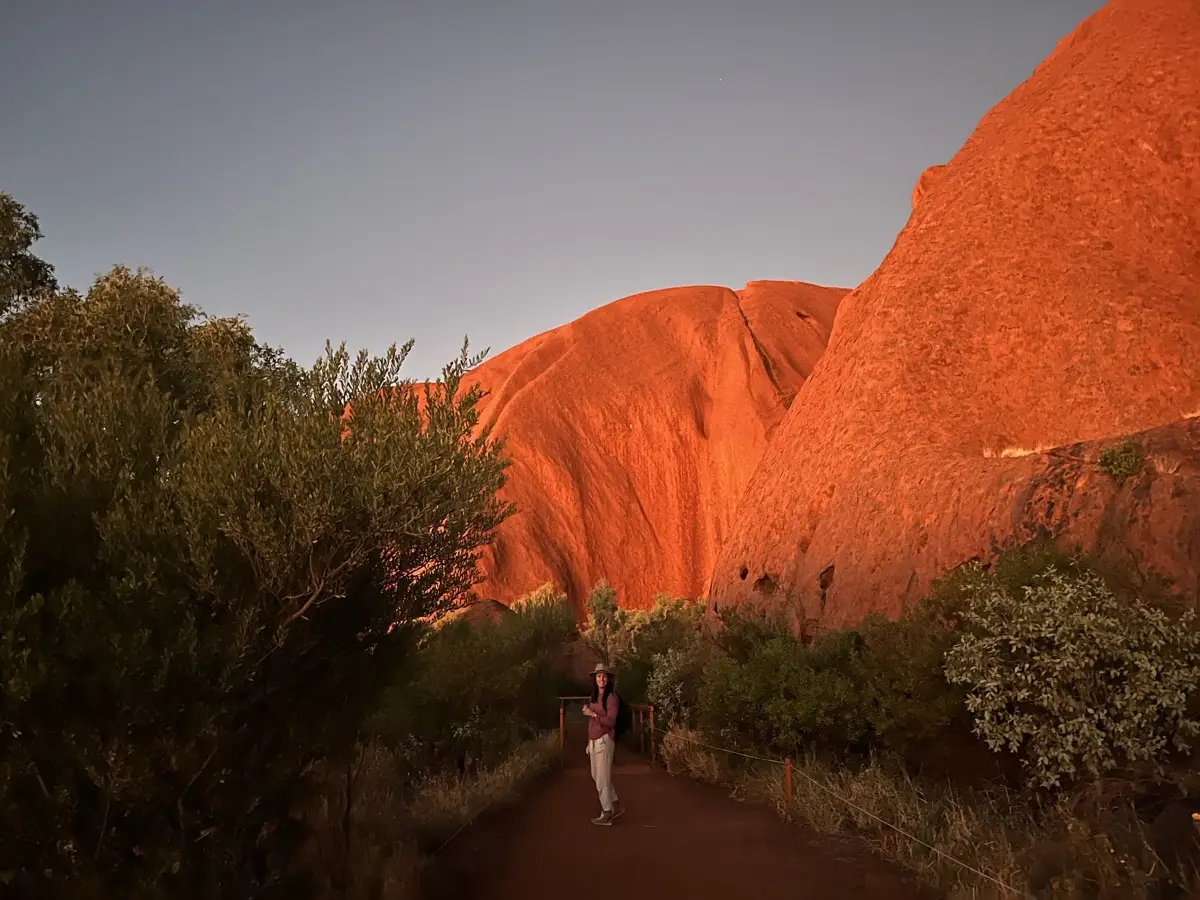 The trail is well-maintained red dirt and sand, mostly flat, and suitable for anyone with reasonable fitness. Along the way you'll pass waterholes, caves with ancient rock art, and dramatic overhangs where the sandstone has eroded into cathedral-like formations. Interpretive signs explain the Tjukurpa creation stories associated with specific features.
Some sections of the base walk are closed to photography out of respect for sacred Anangu sites. Signs clearly mark these areas, please respect them.
Mala Walk (2km return)
The Mala Walk follows the route of the Mala (rufous hare-wallaby) ancestors along the northern face of Uluru. It's a short, easy walk that ends at the Kantju Gorge, a shaded waterhole at the base of a towering rock wall. Free ranger-guided walks run daily during peak season (check at the Cultural Centre for times) and are genuinely one of the best free experiences in the national park.
Kuniya Walk to Mutitjulu Waterhole (1km return)
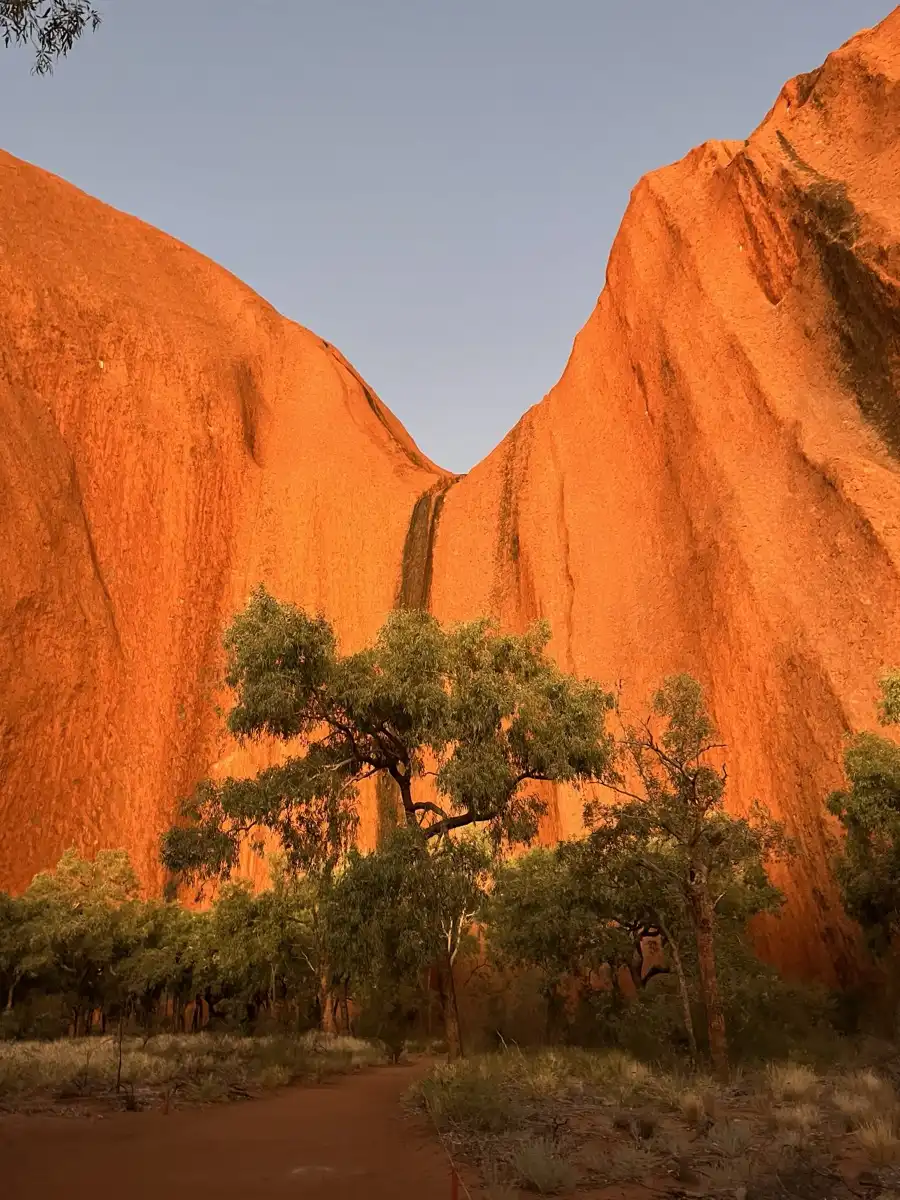 This short walk on the southern side of Uluru leads to Mutitjulu Waterhole, a permanent water source that has sustained life here for tens of thousands of years. The rock art at the waterhole is among the most significant at Uluru. The walk is wheelchair-accessible for the first section and suitable for all ages.
Kata Tjuta, Valley of the Winds (7.4km loop)
Twenty-five kilometres west of Uluru, the 36 domed rock formations of Kata Tjuta (The Olgas) are equally spectacular and arguably more dramatic up close. The Valley of the Winds walk is a 7.4-kilometre loop through gorges between the massive domes, with two lookouts offering sweeping views of the formations and the desert beyond.
Allow 3 to 4 hours for the full loop. The trail involves moderate climbs and can be rocky in sections. It closes when the forecast exceeds 36°C, so do it in the morning. Many visitors rate this as the highlight of their Red Centre trip. Read our full guide to Kata Tjuta.
Walpa Gorge (2.6km return)
For a shorter Kata Tjuta experience, the Walpa Gorge walk follows a creek bed into a narrow gorge between two of the largest domes. It's an easy walk, shaded for much of the way, and particularly beautiful in the afternoon light.
Uluru-Kata Tjuta Cultural Centre
 The Cultural Centre near the base of Uluru is free to enter and is one of the most thoughtfully designed cultural spaces in Australia. Built in the shape of two Tjukurpa serpents, it houses displays about Anangu history, law, and art, all created by the traditional owners themselves.
There's also a gallery selling authentic Anangu art (paintings, carvings, punu woodwork), a cafe, and an information desk where you can book cultural experiences. Allow at least an hour.
The Geology Up Close
Walking the base trail reveals details invisible from a distance. The rock's surface is deeply pitted and weathered, sculpted by 300 million years of wind, rain, and temperature extremes. Caves and overhangs dot the base, their ceilings worn smooth and their interiors scattered with fallen boulders.
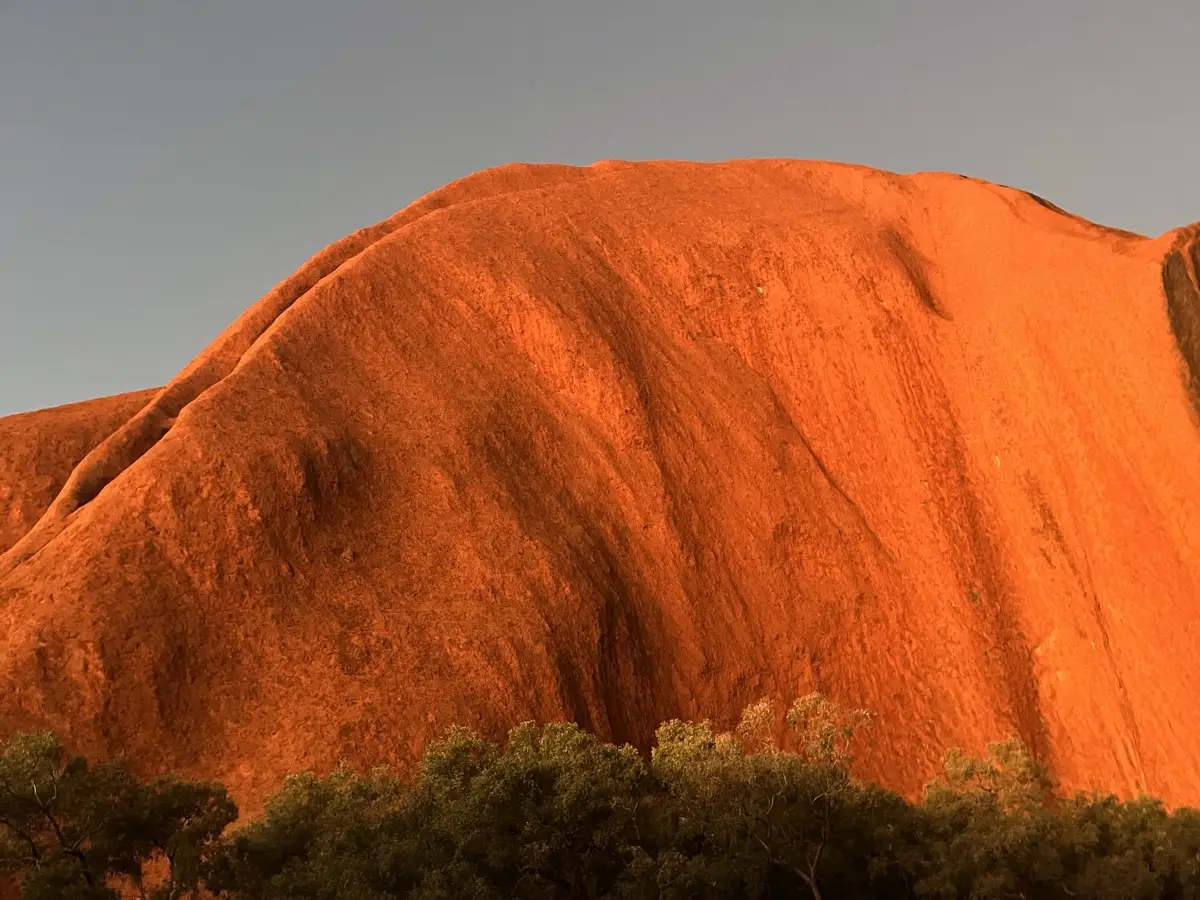
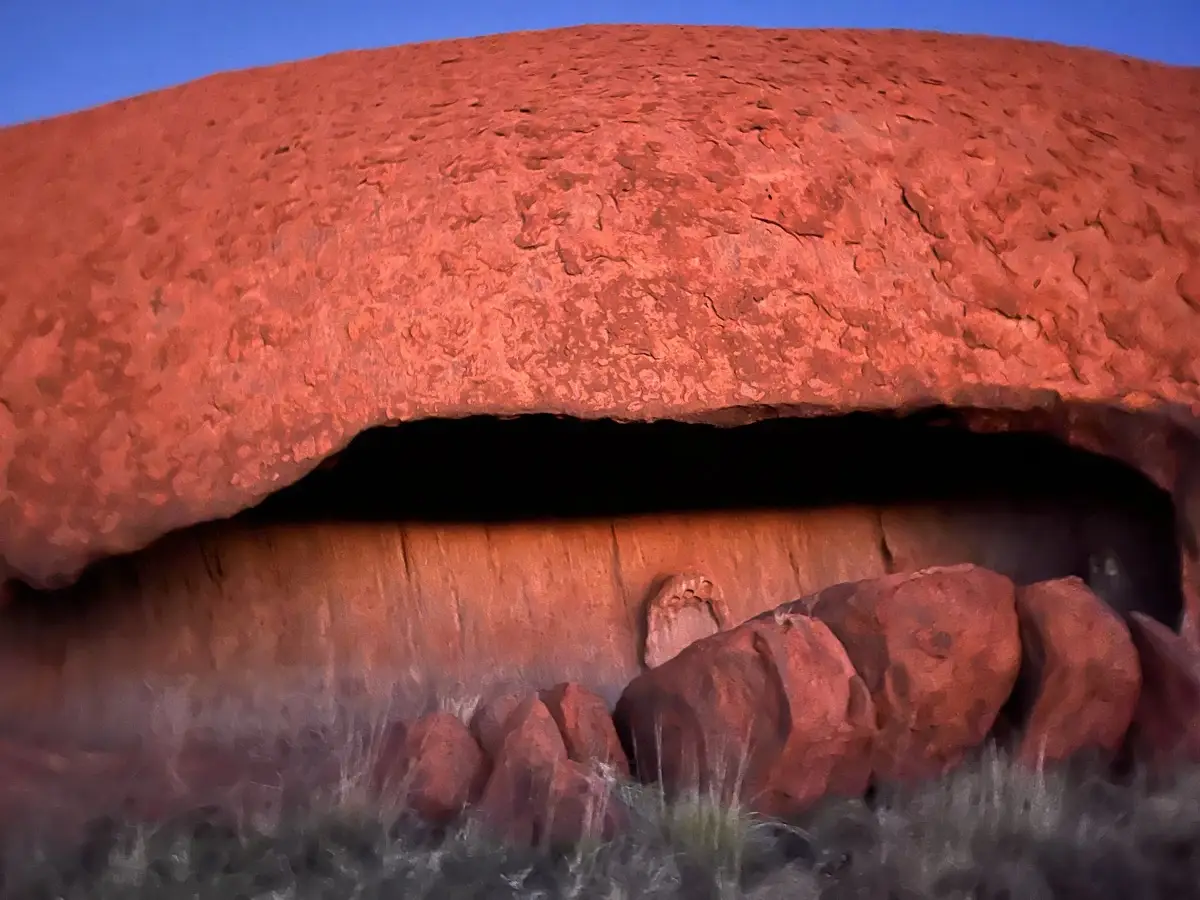 The distinctive ridges running vertically up the rock face are the edges of the original sedimentary layers, now tilted 90 degrees by ancient tectonic forces. Break a fresh piece of arkose sandstone and you'll find it's grey inside. The famous red comes from iron oxidation on the surface, the rock is literally rusting.
Sunrise and Sunset Viewing
Watching Uluru change colour at sunrise and sunset is the quintessential Red Centre experience. The dedicated sunrise viewing area on the eastern side gives you the classic front-lit view of the rock glowing red-orange. The sunset viewing area (Talinguru Nyakunytjaku) offers panoramic views of both Uluru and Kata Tjuta.
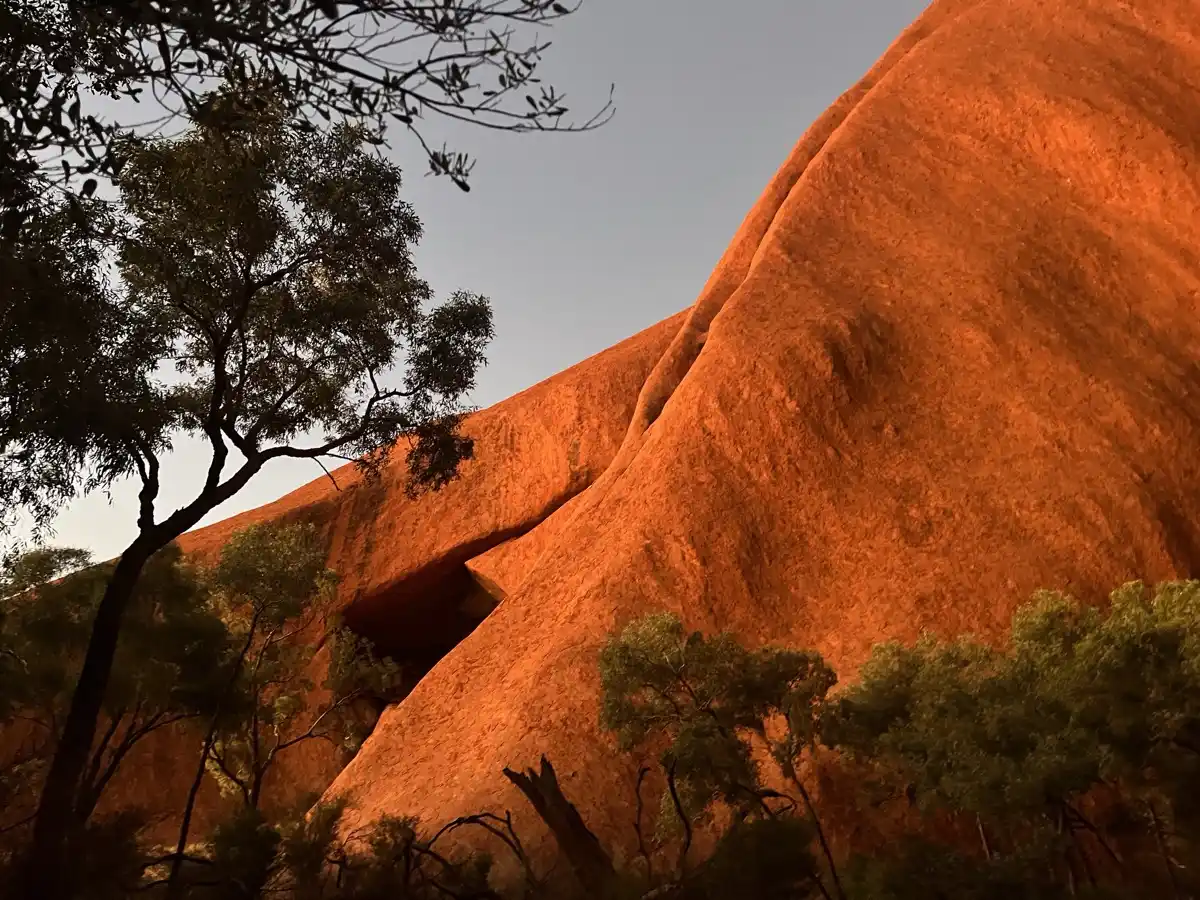 Both areas have car parks, viewing platforms, and picnic tables. The sunset spot gets very crowded in peak season, arrive at least an hour early, bring a camp chair, and settle in with a glass of something nice. Some tour operators offer catered sunset experiences with sparkling wine and canapes.
Field of Light
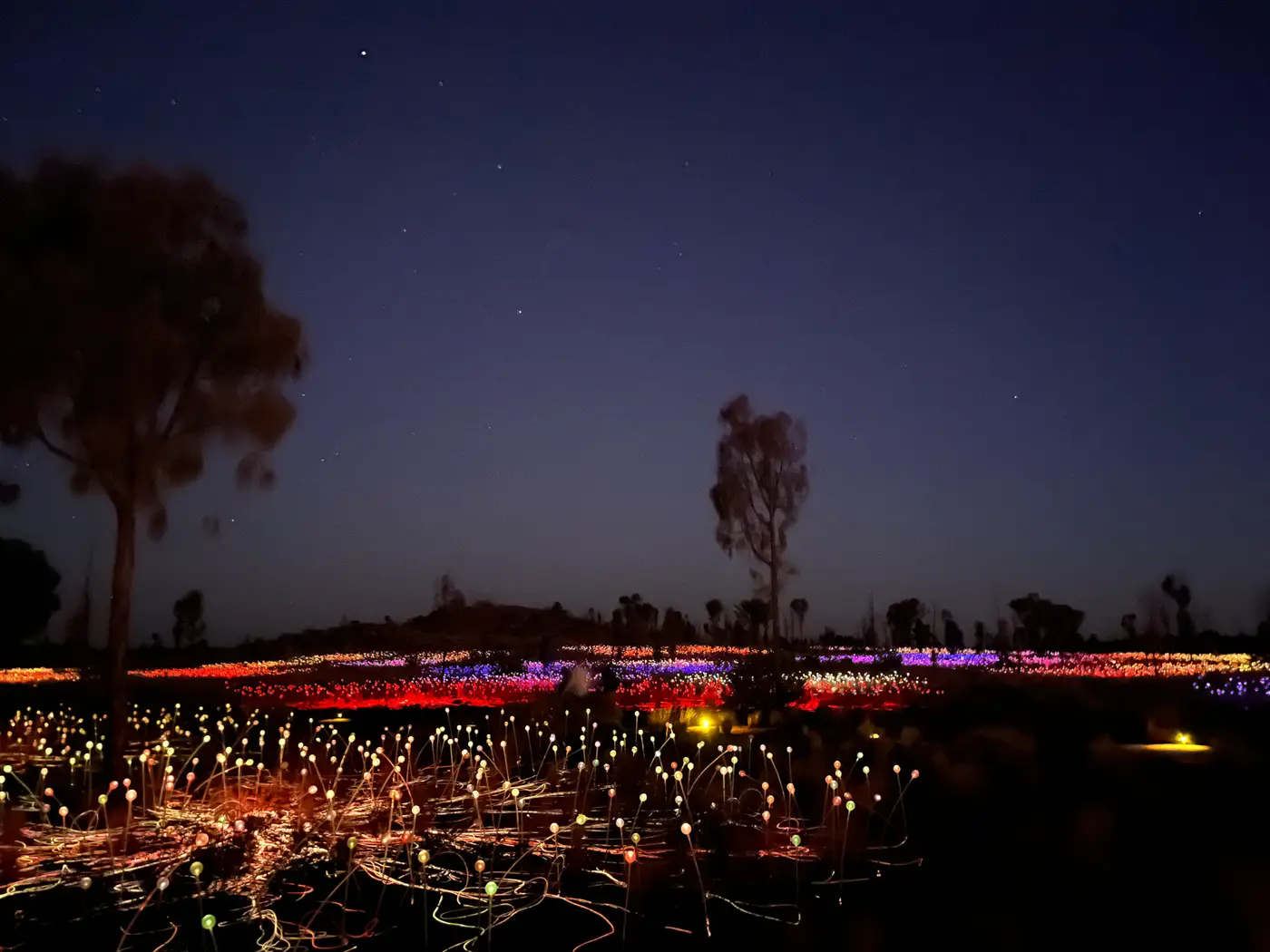 British artist Bruce Munro's Field of Light installation, 50,000 slender stems crowned with frosted-glass spheres that bloom with colour after dark, has become a fixture at Ayers Rock Resort. The installation covers an area the size of seven football fields in the desert near the resort, and walking through it under the stars is a genuinely magical experience.
Separate booking required. The A Night at Field of Light experience includes a viewing platform dinner, while the Star Pass is a simpler walk-through option. Book well ahead in peak season.
Anangu Cultural Experiences
Several tour operators offer cultural experiences led by Anangu guides. These range from bush food and medicine walks to dot painting workshops and multi-day desert camping trips. The SEIT Outback Australia and Uluru Aboriginal Tours (owned and operated by Anangu) are well-regarded operators.
These experiences offer something no guidebook or interpretive sign can replicate, hearing the stories of this place from the people who have called it home for 30,000 years.
When to Visit Uluru
Best Season: April to September
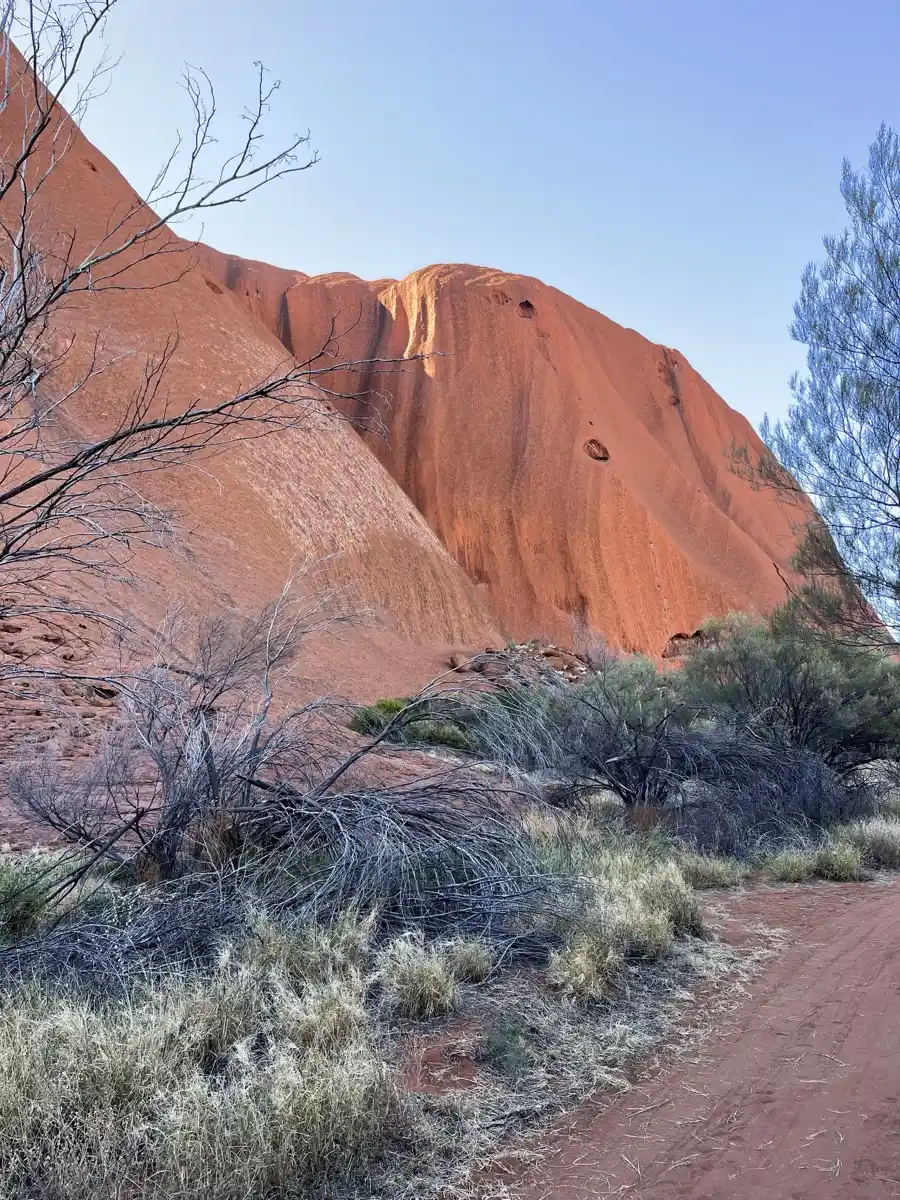 The desert climate at Uluru is extreme. Summer (December to February) brings daytime temperatures regularly above 40°C and sometimes exceeding 45°C. Walking trails close when extreme heat warnings are issued. Flies can also be relentless in the warmer months.
April to September is peak season for good reason, daytime temperatures sit between 20°C and 30°C, nights are cool (sometimes near freezing in June/July), and the skies are almost always clear. This is the best time for walking, photography, and outdoor dining.
Shoulder Seasons: March and October
March and October offer a good compromise, fewer crowds than the peak winter months, warm but manageable temperatures, and occasional dramatic cloud formations that make for spectacular sunrise and sunset photography.
Wet Season Surprise
If you happen to be at Uluru during or just after rain, you're in for something extraordinary. Waterfalls cascade down the rock's furrowed surface, seasonal creeks flow through the surrounding bush, and the desert bursts into bloom. These events are rare and unpredictable, but unforgettable.
Planning Your Visit
How Many Days?
 Two full days is the minimum to do Uluru justice:
- Day 1: Sunrise at Uluru, Base Walk or Mala + Kuniya walks, Cultural Centre, sunset viewing
- Day 2: Valley of the Winds at Kata Tjuta (morning), Walpa Gorge, Field of Light (evening)
A third day lets you slow down, revisit favourite spots at different times of light, do a guided Anangu cultural experience, take a helicopter scenic flight, or simply sit and watch the rock change through the day.
The Park Pass
The 3-day park pass costs $38 per adult (children under 18 free) and covers unlimited entries to the entire Uluru-Kata Tjuta National Park. You can buy it online at the Parks Australia website or at the park entry station. Many tour packages include the pass in their price.
What to Bring
- Water: Carry at least 2 litres per person per hour of walking. There are refill stations at the Cultural Centre and car parks, but not on the trails.
- Sun protection: Hat, sunscreen, sunglasses. The desert sun is brutal, even in winter.
- Sturdy shoes: Closed-toe walking shoes for the base walk and Kata Tjuta trails.
- Layers in winter: Desert temperatures can swing 25°C between dawn and midday. A warm jacket for sunrise is essential April to September.
- Fly nets: Head nets make a big difference October to March.
A Place That Changes You
Uluru has a way of exceeding expectations. People arrive thinking it's "just a big rock" and leave with something they struggle to articulate, a sense of deep time, of connection to country, of standing in a place that has been sacred and central to human life for longer than recorded history.
Take your time here. Walk slowly. Listen to the stories. Watch the light change. This is not a place to rush through on a checklist. It is a place that rewards patience, respect, and genuine curiosity, and it will stay with you long after you leave the Red Centre behind.
Warnings
Video
Getting There
By Air
Ayers Rock Airport (Connellan Airport, code AYQ) sits at Yulara, about 6 kilometres from the resort and 18 kilometres from Uluru itself. Direct flights operate from Sydney, Melbourne, Brisbane, and Cairns via Jetstar, Virgin Australia, and Qantas, though schedules vary seasonally. Free shuttle buses meet most commercial flights and run guests to Ayers Rock Resort accommodation. Flight time from Alice Springs is about 50 minutes.
By Road from Alice Springs
It is 465 kilometres via the Stuart Highway south and then the Lasseter Highway west, a 4.5 to 5.5 hour drive on fully sealed, well-maintained road. The drive itself is beautiful, passing through desert country that gradually flattens out until you catch your first glimpse of the rock from about 100 kilometres away. Fuel is available at Erldunda roadhouse (roughly halfway) and at Yulara.
By Coach
Emu Run Experience and other operators run transfers from Alice Springs, typically departing around 7am and arriving by lunchtime. These are a good option if you don't want to drive.
Where to Stay
All accommodation is at Yulara (Ayers Rock Resort), 18 kilometres from Uluru. Options range from the five-star Sails in the Desert hotel to the Outback Pioneer Lodge and the campground. There is no camping or accommodation inside the national park. Book well ahead during peak season (April–September), Yulara fills up.
Parking
Multiple sealed car parks at Uluru base walk start, sunset viewing area, Mala Walk trailhead, and Cultural Centre. All free with park pass.
Visitor Tips
- •Book the Anangu-guided Mala Walk for the best cultural insights, hearing the creation stories directly from traditional owners transforms the visit
- •Arrive at least 45 minutes before sunrise for the sunrise viewing area, you want to be set up with a coffee when the first light hits the rock
- •The 10.6km Base Walk is best started at dawn before the heat builds, allow 3.5 hours and carry at least 2 litres of water per person
- •The free Uluru-Kata Tjuta Cultural Centre near the base is excellent and often overlooked, allow a full hour
- •Do Valley of the Winds at Kata Tjuta on a separate morning, it is a genuine highlight and deserves unhurried time
- •The sunset viewing area gets extremely crowded, arrive a full hour before sunset for a decent spot, or try the quieter Talinguru Nyakunytjaku viewing area instead
- •Field of Light (the Bruce Munro art installation near the resort) requires a separate booking and sells out in peak season, book ahead
- •Summer temperatures regularly exceed 45°C, the park closes walks when forecasts hit extreme heat, so plan April to September if possible
- •Photography restrictions exist at several sacred sites around the base, look for the signs and respect them, it matters deeply to the Anangu
- •A 3-day park pass covers unlimited entries to both Uluru and Kata Tjuta, use all three days if you can, there is more to see than you think
Conservation & Management
Protected as a national park and World Heritage area. Climbing was permanently closed in October 2019 out of respect for Anangu wishes. Key threats include tourism pressure, feral animals, and climate change affecting water sources.
Management
Jointly managed by Anangu traditional owners and Parks Australia under a lease-back arrangement since 1985. The Uluru-Kata Tjuta Board of Management has an Anangu majority.
Find Nearby Accommodation
Hotels, apartments, hostels and luxury stays
We may earn a commission from bookings made through these links, at no extra cost to you.
Quick Facts
At a Glance
Identity
- Traditional Name
- Uluru
- Traditional Owners
- Anangu (Pitjantjatjara and Yankunytjatjara peoples)
- Meaning
- The name refers to the rock itself in the Pitjantjatjara language. Its deeper significance is held within Anangu culture and Tjukurpa (law).
- Pronunciation
- oo-loo-roo
- Also Known As
- ["Ayers Rock", "Uluru / Ayers Rock"]
The Place
- Height
- 863m
- Area
- 3.33 km²
- Circumference
- 9.4 km
- Established
- 1958
- UNESCO
- World Heritage Site
- Significance
- World Heritage
Plan Your Visit
- Entry
- Adult $38 · Child $0
- Duration
- Half to full day
- Best Time
- April to September for cooler temperatures; sunrise and sunset for best colours
- Hours
- Open daily, year-round. Hours vary by season: Dec - Feb: 5:00 AM - 9:00 PM Mar: 5:30 AM - 8:30 PM Apr - May: 6:00 AM - 8:00 PM Jun - Jul: 6:30 AM - 7:30 PM Aug: 6:00 AM - 7:30 PM Sep: 5:30 AM - 7:30 PM Oct - Nov: 5:00 AM - 8:00 PM All visitors must exit by closing time.
Location
- Area
- Mutitjulu
- Region
- Alice Springs
- State
- Northern Territory
Good to Know
Highlights
Activities
Family & Visitor Info
- Ages
- All ages. Base walk sections suitable for families. Shorter walks (Mala, Kuniya) are excellent for children.
- Shade/Cover
- Limited shade
- Pram Friendly
- No
Food & Drink
Cultural Centre cafe at the base. Full dining options at Ayers Rock Resort 18km away.
Features
Facilities
Nearby
Campsites(5)
Attractions(5)
Toilets(3)
Groceries(1)
Dump Points(2)
Ayers Rock Resort Dump Point
Free · 14.8km
Yulara Caravan Dump Point
caravan-park · 14.9km
National Parks(1)
Travellers also visited
Tap + to build a trip
Find Nearby Accommodation
Hotels, apartments, hostels and luxury stays
We may earn a commission from bookings made through these links, at no extra cost to you.
Nearby
Campsites(5)
Attractions(5)
Toilets(3)
Groceries(1)
Dump Points(2)
Ayers Rock Resort Dump Point
Free · 14.8km
Yulara Caravan Dump Point
caravan-park · 14.9km