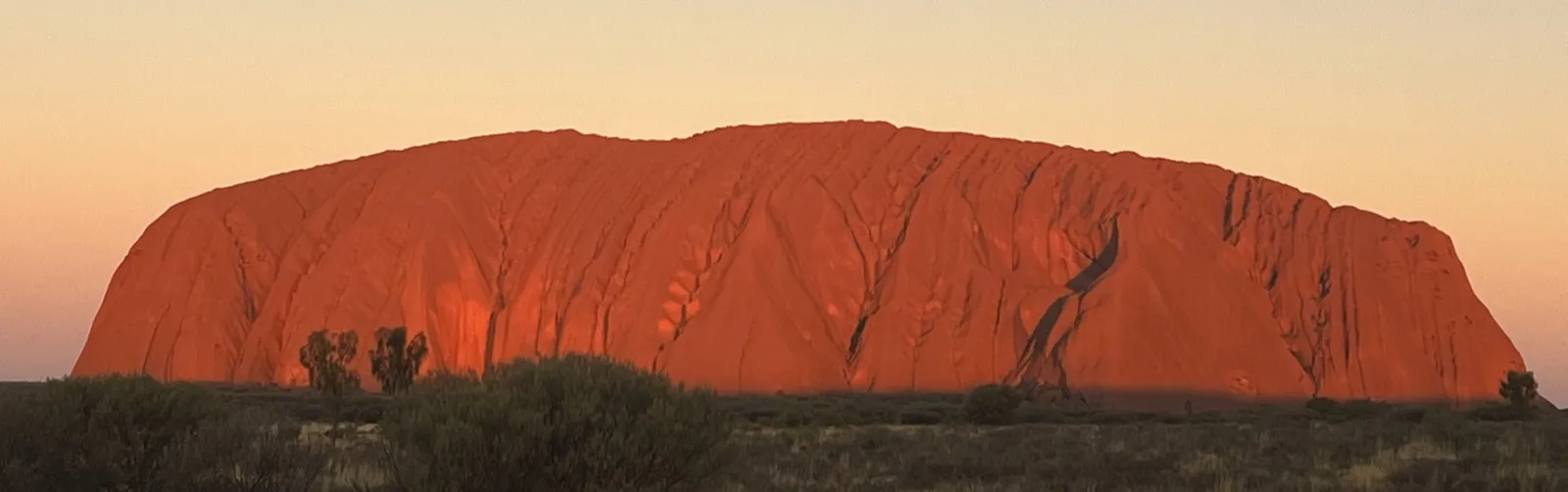
UNESCO World Heritage Sites are places of outstanding universal value — natural landscapes, historic cities, archaeological ruins, and cultural monuments recognised under the 1972 World Heritage Convention. There are currently 0 sites across 0 countries, including 0 cultural sites, 0 natural sites, and 0 mixed properties.
What is UNESCO?
The United Nations Educational, Scientific and Cultural Organization (UNESCO) was founded in 1945 with the mission of building peace through international cooperation in education, science, culture, and communication. Based in Paris, it has 194 member states. While UNESCO runs programmes across all of these areas, the World Heritage programme is among its most visible and impactful — a global effort to identify and protect the places that matter most to humanity as a whole.
The World Heritage Convention
Adopted in 1972, the Convention Concerning the Protection of the World Cultural and Natural Heritage is one of the most widely ratified international agreements in existence, with 196 States Parties. The Convention established the concept of "outstanding universal value" — the idea that certain places are so significant that their protection is a responsibility shared by all nations, not just the country where they happen to sit.
Countries that ratify the Convention can nominate sites within their borders for inclusion on the World Heritage List. The World Heritage Committee, composed of representatives from 21 elected member states, reviews nominations and makes the final decision at its annual session.
How sites are selected
To earn a place on the list, a site must meet at least one of ten selection criteria — six relating to cultural significance and four to natural significance. The criteria cover everything from being a masterpiece of human creative genius to containing the most important habitats for conservation of biological diversity.
The nomination process is rigorous. A country first places a site on its Tentative List, then prepares a detailed nomination dossier. Two advisory bodies evaluate the nomination: ICOMOS (International Council on Monuments and Sites) assesses cultural properties, while IUCN (International Union for Conservation of Nature) handles natural ones. The entire process typically takes two to three years from nomination to inscription.
Types of World Heritage Sites
Sites fall into three categories. Cultural sites (0 globally) include historic cities, archaeological sites, monuments, and cultural landscapes. Natural sites (0) protect outstanding examples of Earth's geological history, ecological processes, and biological diversity. Mixed sites (0) meet criteria for both cultural and natural significance — places like Australia's Kakadu National Park, which holds both ancient rock art and extraordinary wetland ecosystems.
The List in Danger
0 sites are currently on the List of World Heritage in Danger. This designation is intended as a call for action, not a punishment — it signals that a site faces serious threats from armed conflict, natural disasters, uncontrolled development, or environmental degradation, and that international support is needed. Sites can and do recover: successful conservation efforts have led to the removal of sites from the danger list over the years.
Official resources
- UNESCO World Heritage List — the complete official list
- The World Heritage Convention — full text of the 1972 Convention
- Selection criteria — the ten criteria for inscription