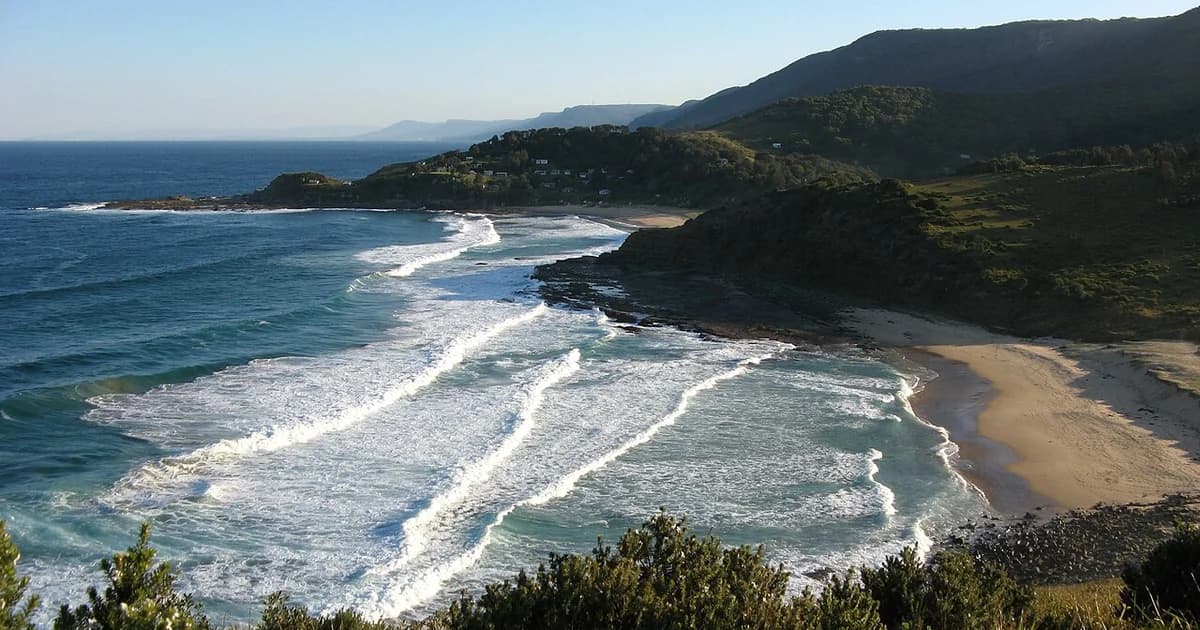
Royal National Park
Established in 1879, Royal National Park is the world's second oldest national park and the oldest in Australia.
National Park in New South Wales

Stays near Royal National Park
Find Nearby Accommodation
Hotels, apartments, hostels and luxury stays
We may earn a commission from bookings made through these links, at no extra cost to you.
About Royal National Park
Established in 1879, Royal National Park is the world's second oldest national park and the oldest in Australia. Located just 30 km south of Sydney, it encompasses 15,080 hectares of coastal heath, rainforest, sandstone escarpments, and pristine beaches. The park is renowned for [the Coast Track](/au/trails/nsw/the-coast-track) (26 km), which traverses dramatic sea cliffs, Aboriginal rock engravings, and secluded beaches.
Tours and Experiences


Royal National Park sits just 30 kilometres south of Sydney, yet stepping inside it feels like leaving the city far behind. Established in 1879, it holds the distinction of being Australia's oldest national park and the second oldest in the world — a title that reflects both its historical significance and the remarkable foresight of those who moved to protect this stretch of coastline more than 140 years ago.
Encompassing 15,080 hectares, the park spans an impressive range of landscapes: coastal heath, pockets of rainforest, towering sandstone escarpments, and beaches that see far fewer visitors than those closer to the city. For Sydneysiders and travellers alike, it offers one of the most accessible wilderness experiences on Australia's east coast.
What to See and Do
The park's centrepiece is the Coast Track, a 26-kilometre walking route that runs from Bundeena in the north to Otford in the south. It's a two-day walk for most people, passing sea cliffs, secluded beaches, and Aboriginal cultural sites along the way. If you're not up for the full route, the section between Bundeena and Marley Beach is widely considered the most dramatic and can be completed as a day trip — more on the logistics of that below.
Wattamolla Beach and Lagoon is one of the park's most visited spots, and for good reason. A freshwater lagoon sits just behind the beach, separated from the ocean by a sandy bar, making it a popular spot for swimming in calmer conditions. The surrounding picnic areas and short walking tracks make it well suited to families or those looking for a relaxed half-day.
Garie Beach is the park's best-known surf beach, attracting those looking to get in the water in a more open ocean setting. Be aware that several beaches within the park, including Garie, are unpatrolled — so swim with caution and check conditions before you go.
For those interested in Aboriginal history, the Jibbon Aboriginal rock engravings near Bundeena are among the most significant and accessible cultural sites in the Sydney region. A walking track leads to the engravings, which depict a range of figures including fish, animals, and ceremonial designs. Aboriginal cultural experiences are available within the park, offering deeper context to these sites.
Era Beach offers a different experience again — a small, remote camping area accessible only on foot, making it a favourite with overnight walkers doing the Coast Track. The sense of seclusion here is genuine; it's not somewhere you'll stumble upon accidentally.
Beyond walking and swimming, the park accommodates a wide range of activities. Kayaking and boat hire are available at Audley, the park's main recreational hub, where you can paddle along the Hacking River beneath sandstone walls. Cycling is popular on park roads and trails, and birdwatching is rewarding throughout — the coastal heath in particular supports a diverse range of species. Rock fishing is another draw, though as with ocean swimming, conditions vary and care is required.
History
When Royal National Park was gazetted in 1879, the concept of setting aside land specifically for public enjoyment and conservation was still relatively new globally. Yellowstone in the United States had only been established seven years earlier. The decision to protect this coastal corridor south of Sydney recognised both the natural values of the landscape and the importance of providing accessible open space for the growing city's population.
The park has been managed for conservation and public recreation continuously since then — over 140 years of stewardship that has helped preserve its ecological diversity and Aboriginal cultural heritage. The presence of rock engravings and other cultural sites within the park reflects a much longer human history, with the Dharawal people having lived in and around this country for thousands of years before European settlement.
Getting There and Access
By car: From Sydney, head south on the Princes Highway and turn off at Farnell Avenue in Sutherland. The drive from the CBD is approximately 35 kilometres. A vehicle entry fee of $17 per day applies, payable at the Audley Visitor Centre.
By public transport: An appealing alternative is to take the train to Cronulla and then catch the ferry across to Bundeena. This drops you at the northern end of the Coast Track and makes for a particularly rewarding day trip — you walk the Bundeena to Marley section and return via ferry without needing a car.
The park has several entry points and internal roads that allow you to drive to key destinations including Wattamolla, Garie Beach, and Audley. Not all areas are equally accessible by road, which is worth factoring into your planning.
The park has wheelchair accessible facilities, including areas around the Audley precinct, though the more rugged trails and coastal sections are naturally not accessible to all visitors.
Visitor Tips
- The Bundeena to Marley section of the Coast Track is the standout day-walk option and is best approached via the Cronulla ferry — it avoids the need to double back and gives you one of the walk's finest stretches.
- Ticks are common throughout the park. Do a thorough check after any walk in bushy or grassy areas, and take appropriate precautions, particularly if you're with children or dogs.
- If you're tackling the full Coast Track, note that there is no fresh water available between Garie and Era. Carry more than you think you'll need.
- The Coast Track is a solid undertaking and requires good fitness. It's not a casual stroll — the terrain is uneven and sections involve significant elevation change.
- Several surf beaches within the park are unpatrolled. If you're swimming at Garie or other ocean beaches, exercise appropriate judgement.
- The Audley precinct has the most visitor infrastructure — visitor centre, cafe, BBQ and picnic areas, toilets, and boat hire. It's a good first stop if you're unfamiliar with the park.
- Camping is available within the park, with Era Beach being a popular overnight option for those walking the Coast Track. Book ahead, particularly for weekends.
- Private guided tours of the park and surrounding south coast are available for those who'd prefer a curated experience with local knowledge included.
Best Time to Visit
Spring (September to November) is the standout season for wildflowers, when the coastal heath comes alive with colour across much of the park. If you're interested in the park's botanical diversity, this is the time to go.
Autumn offers mild temperatures that make for comfortable walking conditions — particularly relevant if you're planning to tackle the Coast Track or any of the longer day walks. Summer can be hot and, on busy weekends, popular spots like Wattamolla can get crowded. Winter is generally quiet and can be clear and pleasant, though water temperatures will be cold for swimming.
Nearby Attractions
The park's southern boundary is close to Otford and the Illawarra escarpment, and the Sea Cliff Bridge near Coalcliff is a short drive further south — a dramatic coastal road structure that's popular with visitors travelling between Sydney and Wollongong. The town of Bundeena itself, accessible via the Cronulla ferry, has a relaxed character and is worth a short wander before or after a walk in the park.
Warnings
Getting There
Location and map
Drive south from Sydney via Princes Highway; turn at Farnell Avenue, Sutherland. Train to Cronulla then ferry to Bundeena for eastern access. 35 km from Sydney CBD.
Visitor Tips
- •The Bundeena to Marley section of the Coast Track is the most spectacular and can be done as a day trip via ferry from Cronulla.
Find Nearby Accommodation
Hotels, apartments, hostels and luxury stays
We may earn a commission from bookings made through these links, at no extra cost to you.
Quick Facts
At a Glance
The Place
- Significance
- National
Plan Your Visit
- Entry
- Paid
- Duration
- 1–3 days
- Best Time
- Spring (September–November) for wildflowers; autumn for mild walking conditions
- Hours
- Open 24 hours. Visitor centre daily 8:30am-4:30pm.
Location
- Area
- Audley
- Region
- Sutherland
- State
- New South Wales
Good to Know
Highlights
Activities
Features
Facilities
Travellers also visited
Tap + to build a trip
Find Nearby Accommodation
Hotels, apartments, hostels and luxury stays
We may earn a commission from bookings made through these links, at no extra cost to you.
Nearby
Campsites(5)
Trails(3)
Attractions(5)
Toilets(3)
Groceries(5)
Fuel(5)
Ampol Foodary Heathcote Southbound
Ampol Foodary · 4.9km
Updated 3h ago
Shell Reddy Express Heathcote
Shell · 4.9km
Updated 3h ago
Ampol Foodary Heathcote Northbound
Ampol Foodary · 5.1km
Updated 3h ago
BP ENGADINE (1234 PRINCESS HWY)
BP · 5.2km
Updated 3h ago
BP ENGADINE (OLD PRINCES Hwy)
BP · 5.9km
Updated 3h ago
Dump Points(3)
Beverly Hills Park
Free · 18.2km
Appin Park
Free · 26.4km
Torotoro
Free · 30.1km