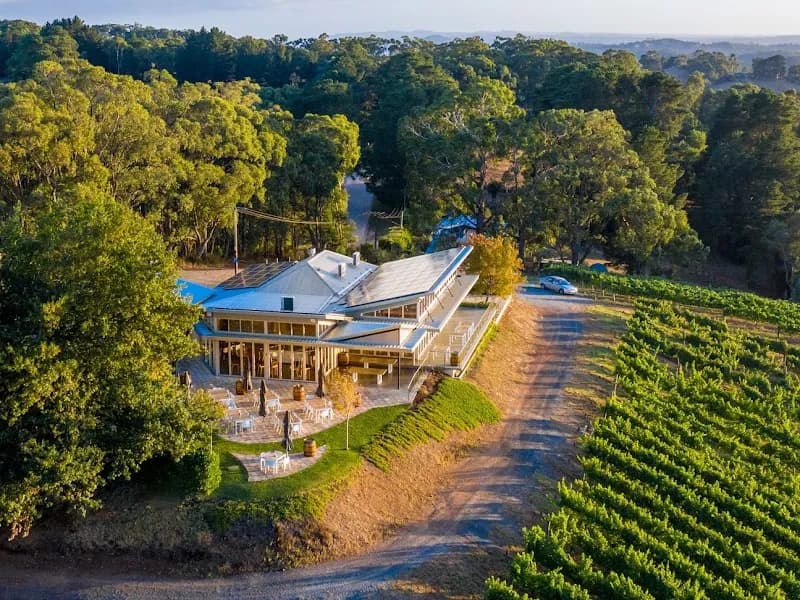
St Hallett Winery
At a Glance
Best Time to Visit
March–April for vintage and harvest events; September–November for spring and early warm weather. October–April peak season brings larger crowds. Quieter May–August in winter, but cellar door still open. Avoid extreme heat in January–February for comfort.
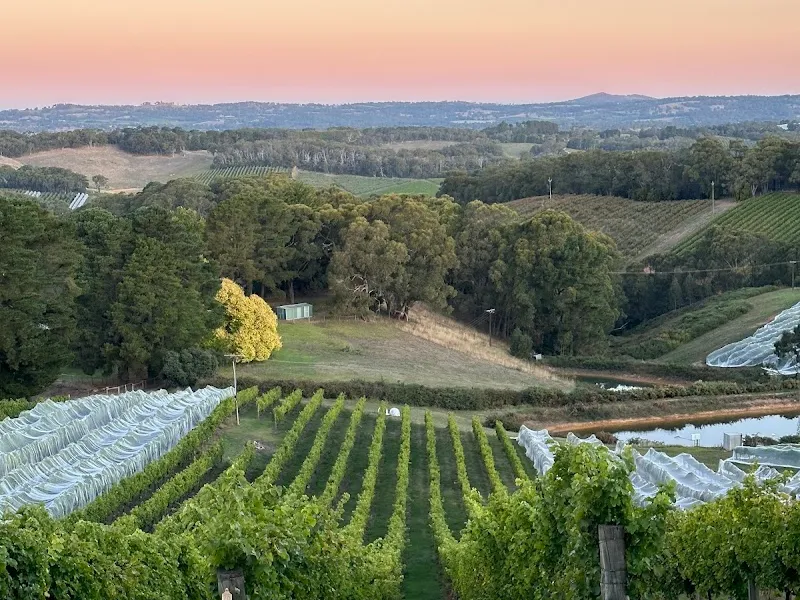
St Hallett is one of the Barossa Valley's more established names, with roots stretching back to the 19th century and a reputation built largely on Shiraz. Sitting around 60 kilometres northeast of Adelaide, the winery draws visitors looking to experience classic Barossa winemaking in a relaxed, unhurried setting.
The Wines
Shiraz is the focus here, and it's a variety that suits the Barossa's warm continental climate particularly well. The region's heat, combined with well-drained soils and established old vines, produces the kind of rich, full-bodied reds the valley has long been known for. St Hallett leans into this with a range that reflects regional character rather than chasing trends. Alongside Shiraz, expect classic Barossa styles that give a solid sense of what this part of South Australia does best.
Cellar Door Experience
The cellar door is open seven days a week from 10am to 5pm, and the atmosphere is casual enough to suit families and groups as well as solo visitors. Tastings are available across the range, with vineyard views adding to the experience. Specific tasting fees and the number of wines poured can vary, so it's worth contacting the winery ahead of your visit to confirm current details and whether bookings are required — particularly during the busier spring and summer months.
Food and Dining
There's no on-site restaurant, but platter options are available to accompany your tasting. The property suits a relaxed visit, and combining a platter with the cellar door experience makes for an easy afternoon. If you're planning to bring your own picnic supplies, check directly with the winery beforehand to confirm their current policy.
The Vineyard
The Barossa Valley's climate is warm and continental, with vintage conditions that can shift meaningfully from year to year. This variation is part of what makes following a producer like St Hallett over multiple vintages interesting — the same varieties can express quite differently depending on the season. The vineyard soils drain well and suit Shiraz in particular, a variety that thrives in heat when managed carefully.
History
St Hallett's history in the Barossa goes back to the 19th century, making it one of the older operating wineries in a region already rich with heritage producers. That continuity has shaped a consistent house style, with Shiraz at the centre of the range and a clear sense of regional identity running through the wines.
Getting There
From Adelaide, head northeast via the Barossa Valley Way — the drive takes roughly an hour depending on traffic and your exact starting point. The winery has standard cellar door parking, and access is generally suitable for caravans. If you're travelling in a larger group, with a coach, or in an oversized vehicle, it's worth calling ahead to confirm. Public transport to the Barossa is limited, so most visitors arrive by car or as part of an organised tour from Adelaide.
Visitor Tips
- Vintage season (March–April) is a good time to visit if you want to experience the winery during harvest, when limited-release wines sometimes become available.
- Spring (September–November) brings warm weather and pleasant conditions for exploring the valley.
- Midsummer heat (January–February) can be intense in the Barossa — worth factoring into your planning if you're sensitive to the heat.
- Allow 1.5 to 2 hours to get through tastings and take in the vineyard setting without feeling rushed.
- The Barossa is well set up for a multi-stop day — St Hallett pairs easily with other nearby cellar doors for a full itinerary.
- Book ahead between October and April, when visitor numbers are at their peak.
- Children are generally welcome throughout the Barossa Valley, making it a reasonable choice for a family outing.
Nearby Wineries
Location
Getting There
Located in the Barossa Valley, approximately 60 km northeast of Adelaide. Access via Barossa Valley Way and local roads; caravan-friendly parking and access standard for the region. Public transport limited — self-drive or organised tour recommended.
Find Nearby Accommodation
Hotels, apartments, hostels and luxury stays
We may earn a commission from bookings made through these links, at no extra cost to you.
Nearby
Campsites(4)
Trails(3)
Attractions(1)
Toilets(3)
Groceries(5)
Fuel(5)
Dump Points(5)
Barossa Valley Discovery Park
$? · 2km
Nuriootpa Co-Op Store Dump Point
Free · 9.4km
Greenock Centenary Park
Free · 10km
BP Service Centre Dump Point
Free · 10.7km
Truro Dump Point
Free · 23km
Pubs(5)
Fast Food(5)
Golf Courses(5)
Wineries(5)
Weigh Stations(1)
State Forests(2)
National Parks(5)
Unnamed (No.HA1345) Heritage Agreement
Nature Reserve · 4.7km
Unnamed (No.HA1112) Heritage Agreement
Nature Reserve · 4.7km
Unnamed (No.HA1211) Heritage Agreement
Nature Reserve · 4.7km
Unnamed (No.HA48) Heritage Agreement
Nature Reserve · 5.3km
Unnamed (No.HA900) Heritage Agreement
Nature Reserve · 5.6km