Zealandia Te Mara a Tane
Te Mara a Tane
Zealandia Te Mara a Tane — Zoo in Wellington City, wellington.
Zoo & Aquarium · Zoo in Wellington
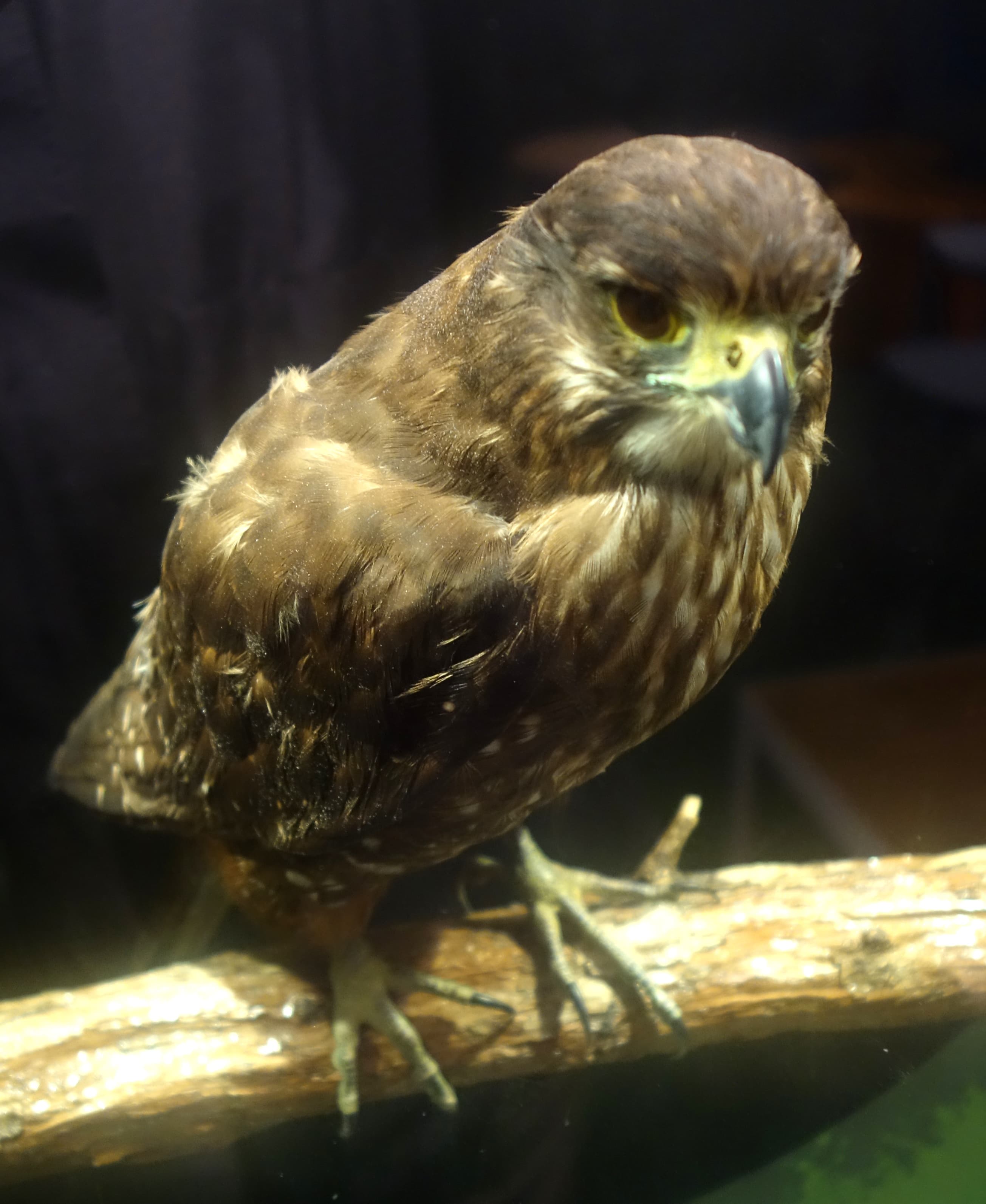
Photo: Daderot (CC0)
 Written by Sarah Nguyen· Updated Apr 2026
Find Nearby Accommodation
Hotels, apartments, hostels and luxury stays
We may earn a commission from bookings made through these links, at no extra cost to you.
About Zealandia Te Mara a Tane
The world's first fully fenced urban eco-sanctuary, Zealandia is a 225-hectare valley in the heart of Wellington where native wildlife thrives behind a predator-proof fence. Home to rare species including tuatara, little spotted kiwi, saddleback, hihi, and weta. Night tours offer a chance to see kiwi, tuatara, and glowworms in their natural habitat.
Zealandia Te Māra a Tāne is a 225-hectare valley in the Wellington suburb of Karori that has been transformed from degraded farmland into one of the most successful urban conservation projects in the world. Established in 2000, it was the first fully fenced urban ecosanctuary — a concept that has since been replicated across New Zealand and beyond.
The idea is straightforward: surround a large enough area of native bush with a fence that no predator can breach, remove every rat, stoat, possum, and cat from inside, then reintroduce species that would otherwise never survive in an urban environment. The 8.6-kilometre predator-proof fence, specially designed with a curved hood that mammals cannot climb, encloses the entire valley. Inside, native species breed freely without the pressure of introduced predators that have driven many to the brink of extinction.
What to See and Do
Walking tracks wind through the valley from the visitor centre to the lower reservoir and back, covering regenerating bush, wetlands, and open water. The main loop takes 1.5-2 hours at a relaxed pace, with shorter options available.
The species list reads like a who's-who of New Zealand conservation priorities. Little spotted kiwi — extinct on mainland New Zealand for over a century — were reintroduced in 2000 and now have a breeding population of over 200. Tuatara, the sole surviving member of an order that pre-dates the dinosaurs, roam freely. Saddleback, hihi (stitchbird), kākāriki (red-crowned parakeet), and several species of wētā have all been successfully established.
The night tour is the standout experience. After dark, guides lead small groups through the bush with red-filtered torches to spot kiwi foraging on the forest floor, tuatara on the track margins, and glowworms along stream banks. Kiwi sightings are common but not guaranteed — the birds are wild and free-ranging, not captive.
The visitor centre (the Rata Café building) has good displays explaining the sanctuary's history, the fence technology, and the species recovery programmes.
History
The valley was farmed for over a century before the Karori Wildlife Sanctuary Trust (now Zealandia) secured it in the late 1990s. Construction of the predator-proof fence was completed in 1999, and the first species reintroductions began in 2000. The project has been transformative not just for the valley but for the surrounding suburbs — native birds that breed inside the fence now spill out into gardens across Wellington, changing the city's soundscape.
Getting There and Access
Zealandia is in Karori, 5km west of Wellington's CBD. Drive via Waiapu Road (free parking on-site) or take the number 2 bus from central Wellington (20-25 minutes). The main valley track is well-formed and mostly flat, though some side trails have steps and steeper grades. Wheelchair access is available on the main loop with assistance.
Visitor Tips
Book the night tour in advance — it fills quickly, especially in winter (June-August) when kiwi are most active and nights are longest. For the day visit, bring binoculars; over 40 native bird species are present and many are more easily heard than seen. Sturdy walking shoes are recommended. Allow 2-4 hours for a thorough daytime visit.
General admission is NZ for adults and NZ for children. Night tours are charged separately and include a guide. Open daily 9am-5pm (last entry 4pm).
Getting There
Located in Karori, Wellington suburb, 5km west of the city centre. Accessible by car via Waiapu Road, or take the 2 bus from central Wellington (20–25 minutes). Limited public transport; driving is recommended.
Parking
Free on-site car park with good capacity. Accessible parking available near visitor centre. Limited overflow during peak times (weekends, school holidays); arrive early or consider public transport.
Visitor Tips
- •Book night tours in advance—they fill quickly and offer the best chance to see kiwi and tuatara active
- •Start with the visitor centre to understand the sanctuary's conservation story before exploring
- •Wear sturdy walking shoes; trails range from easy to moderate with some steep sections
- •Bring binoculars for birdwatching—over 40 native species are present
- •Allow 3+ hours if doing guided walks; self-guided visits can be shorter
Find Nearby Accommodation
Hotels, apartments, hostels and luxury stays
We may earn a commission from bookings made through these links, at no extra cost to you.
Quick Facts
At a Glance
Identity
- Traditional Name
- Te Mara a Tane
The Place
- Significance
- National
Plan Your Visit
- Entry
- Adult $24 · Child $10
- Duration
- 2-4 hours
- Best Time
- Year-round, but spring (September–November) offers peak birdwatching and native flowering. Visit midweek for fewer crowds. Night tours best in winter (June–August) when kiwi are most active; book well ahead.
- Hours
- 9:00am - 5:00pm daily
Location
- Region
- Wellington City
- State
- Wellington
Good to Know
Highlights
Activities
Family & Visitor Info
- Ages
- All ages, though night tours suit ages 5+ (young children may find darkness challenging). Trails vary in difficulty; families with toddlers should stick to easy valley loop walks.
- Shade/Cover
- Good shade/cover
- Pram Friendly
- Yes
Food & Drink
Cafe at visitor centre serves light refreshments. BYO picnic food and water encouraged for longer visits.
Features
Facilities
Nearby
Campsites(5)
Trails(3)
Find Nearby Accommodation
Hotels, apartments, hostels and luxury stays
We may earn a commission from bookings made through these links, at no extra cost to you.