Travel like a good neighbour
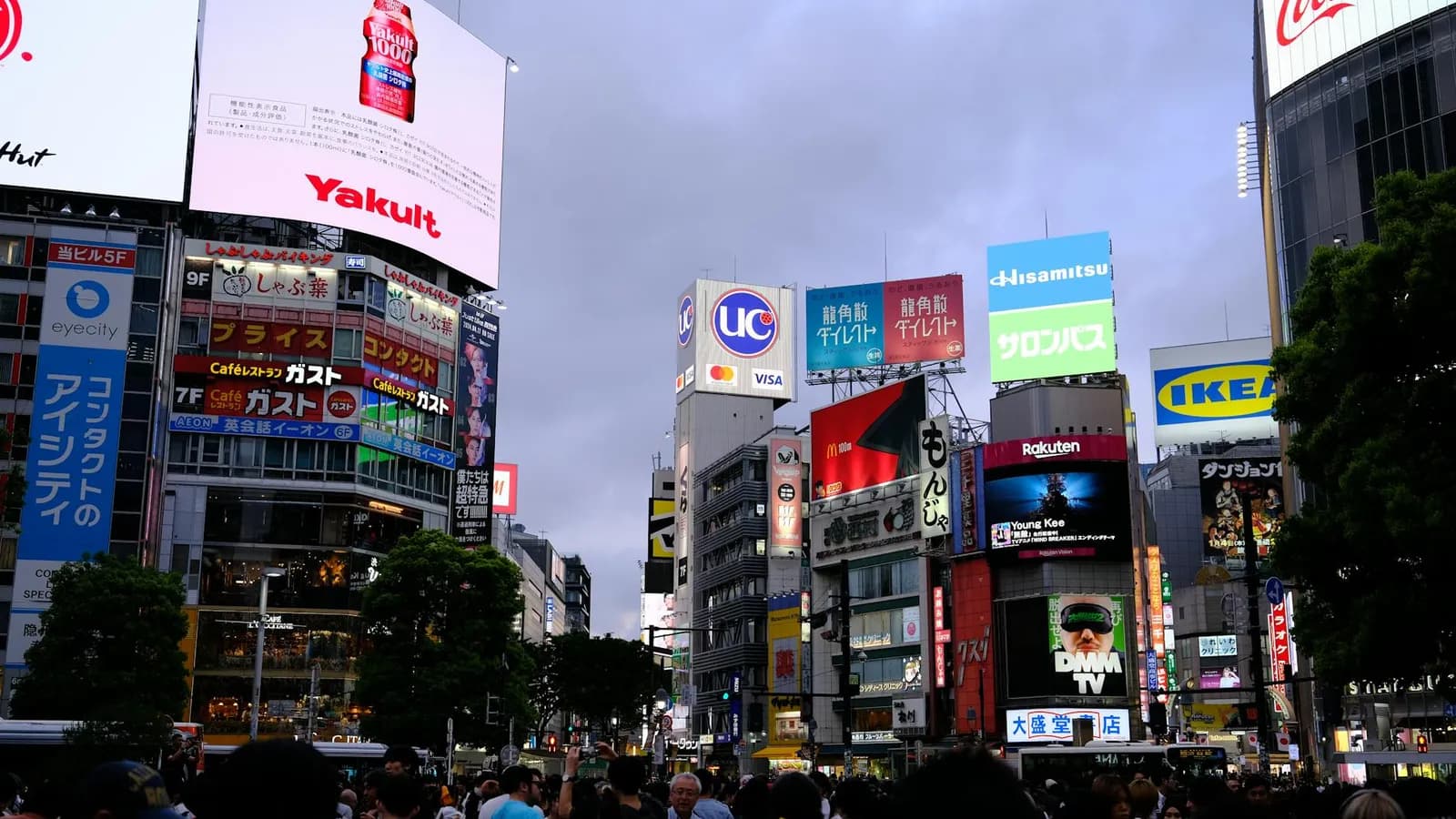
The single best frame for travel courtesy is this: everywhere you go, you are someone's neighbour for the next hour, the next night, the next week. The Japanese have a word for this, meiwaku, the idea that causing inconvenience or trouble for the people around you is itself the rudeness. Not the act, the inconvenience. It's why Tokyo can move 14 million people a day and stay quiet. Everyone is actively trying not to be the problem.
Most courtesy flows from that one idea, and most of it isn't even travel-specific. Covering your mouth when you cough, holding the door for the person behind you, not playing videos out loud, saying "excuse me" instead of pushing past, leaving a seat for someone who needs it more: it's the same skill set whether you're at home or 12,000 km away. Travel just amplifies the consequences.
Get this right and the road opens up. Polite travellers get upgrades, free advice, better tables, and a much shorter list of awkward stories to live down. Here's the practical version, by setting.
What is travel etiquette?
Travel etiquette is the set of mostly unwritten rules for behaving considerately in places that aren't your own, managing your noise, respecting local customs, queuing properly, dressing appropriately, asking before you photograph people, tipping the local way, and leaving things as you found them. It's the difference between a tourist who's tolerated and a traveller who's welcomed back.
The 10 rules of travel courtesy
- Research before you go, customs, dress, laws, tipping norms.
- Learn a little of the language, five words goes a long way.
- Manage your noise, headphones, quiet voice, no speakerphone.
- Queue and move like a local, no cutting, no blocking doorways.
- Dress appropriately, especially at sacred sites and conservative regions.
- Ask before photographing people, and accept "no" gracefully.
- Tip the local way, not your way, research the norm beforehand.
- Bargain only where bargaining is the norm, and do it with a smile.
- Leave no trace, pack out what you packed in.
- Remember you're a guest, when in doubt, copy the locals.
Everyday Courtesy Basics
Before you get to the travel-specific stuff, there's a baseline of everyday courtesy that applies everywhere: at home, at work, at the supermarket, on the train. Most travellers who upset locals are simply skipping these. Get these right and the rest follows.
Take a breath
Everyone you meet on a travel day is a bit tired and a bit irritable. The taxi driver, the check-in agent, the family in front of you at the buffet, the locals at the cafe, the other people in your hostel dorm. So are you. The single biggest courtesy you can extend, before any list of rules, is to assume the best of them. Take a breath, soften your voice, smile if you can. Almost every travel argument is two tired people both deciding to be right.
Your body in public
- • Cough and sneeze into your elbow, not your hand. Not into open air. Not onto someone else's groceries.
- • If you're sick, skip the handshake and say so. People appreciate the heads up.
- • Wash your hands. Before food, after the bathroom, after public transport.
- • Cover your mouth when you yawn.
- • Don't pick your nose, teeth or ears in public. Step into a bathroom.
Personal space
- • Leave a comfortable arm's length when you can. Let locals close the gap.
- • Don't lean over someone to reach something. Ask, or wait.
- • Don't talk over someone's shoulder at an ATM, counter or self-service kiosk.
- • On escalators: stand on one side, walk on the other. Watch which side the locals use.
- • Don't crowd someone trying to read a menu, sign or map.
Small acts of courtesy
- • Hold the door for the person behind you.
- • Offer your seat to anyone who needs it more (older, pregnant, injured, carrying a child).
- • Help someone struggling with luggage on stairs or onto a train.
- • Pick up something a stranger drops. Always.
- • If you bump someone, say sorry. Even if it's their fault.
- • Smile and nod at staff. Make eye contact when you say thanks.
Please and thank you
- • Use "please" when you ask for something. Every time.
- • Use "thank you" when you receive it. Especially with service staff.
- • Use "excuse me" instead of pushing past, sighing or tapping a shoulder.
- • Use "sorry" when you cut someone off, even accidentally.
- • Look up from your phone when someone serves, helps or speaks to you.
- • Don't snap fingers, click or wave aggressively at a server. Catch their eye instead.
Phones in public
- • Headphones in for anything with sound. Music, videos, voice notes, calls.
- • No speakerphone calls. Not at the cafe, not on the train, not in the queue.
- • Put the phone away when paying. Cashiers are people, not a vending machine.
- • Don't film strangers without consent.
- • Don't walk and text into someone. Step to the side.
Clean up after yourself
- • Take your rubbish with you. Even if there's no bin nearby.
- • Return your shopping trolley. Don't leave it blocking a bay.
- • Clear your tray at fast-food places where that's the norm.
- • Wipe down a shared bench, sink or kitchen surface if you used it.
- • Don't spit, gum, or cigarette butts on the footpath.

Noise & Sound
Sound carries further than you think, especially across water, between campsites, and through thin hotel walls. The single highest-impact change you can make as a traveller is to manage your noise.
Nobody wants to hear it
Here's the thing most people miss: when you're in a shared space, your daily life is not background noise, it's the only thing everyone around you can hear. Strangers don't want to be involuntary listeners to:
- • Your phone call about whether you forgot to put the washing on.
- • The story you're telling your friend about your ex.
- • Your speakerphone catch-up with your mum.
- • The TikTok feed you're scrolling at full volume.
- • Your FaceTime call held up in front of your face on the train, come on, put your earphones in.
- • Your video call to your kids from the camp kitchen.
- • Your work meeting from the airport lounge sofa.
- • Your loud opinions about the food, the prices, the weather, the locals.
Headphones in. Voice down. Step outside for the call. If you wouldn't broadcast it over a loudspeaker in your living room, don't broadcast it on a train, in a café, or at a campsite either.
Phones & devices
- • No speakerphone calls in public, use headphones or step outside.
- • No videos, TikToks or music out loud on public transport, in cafés, or at campsites.
- • Turn your notifications down or off. Nobody needs to hear every text, email and like land in your pocket all day.
- • Switch ringers to vibrate on planes, trains and in restaurants.
- • If a video call is unavoidable, find a private space, not a shared lounge.
Alarms & ringtones
- • Alarms in shared accommodation are everyone's alarm. Hostel dorms, caravan parks, thin-walled hotels: use vibrate, or set the gentlest tone you can sleep through.
- • No snooze concerts. If you set five snooze alarms, you wake up everyone in the room five times. Wake on the first one.
- • Watch alarms count too. A smartwatch chiming through a meeting, plane cabin, cinema or quiet carriage is just as rude as a phone alarm. Mute it.
- • Ringtone volume. Default ringtones are designed to cut through a noisy room. Drop the volume, switch to vibrate, or pick a softer tone.
- • Pick a less obnoxious tone. Marimba at full volume in a shared van is the universal "ugh" noise. Choose something quieter, or no tone at all.
- • Travel days = pre-flight check. Before bed, scan for any active alarm: phone, watch, tablet, the laptop you forgot to silence.
Voices
- • Match the volume of the room. Quiet train carriage = quiet voice.
- • Alcohol multiplies volume, be deliberate about staying lower than you think you need to.
- • Drop your voice after 10pm in any shared accommodation or campsite.
Campsites & caravan parks
- • Observe quiet hours (typically 10pm to 7am, sometimes earlier).
- • Run generators only in posted windows, never before breakfast or after dusk.
- • Don't slam doors, drawers, or annex zips after dark, sound travels.
- • Music goes through headphones outside, not a speaker.
Hotels & hostels
- • Pre-pack your bag the night before if you have an early flight, no 4am zipper concerts.
- • Don't FaceTime from a hostel dorm. Step into the corridor or common room.
- • Hallways are not lobbies. Conversations carry under every door.
Don't drag the furniture
One of the most underrated noise mistakes. Dragging a chair, table, sun lounger or stool across tile, concrete or polished timber sends a fingernails-on-blackboard sound through every room around you. At a cafe, a hotel breakfast room, a caravan park camp kitchen or a hostel common room, it's the noise locals notice first.
- • Lift, don't drag. Pick up the chair or table, move it, set it down. Two hands if you need them.
- • Pulling a chair out to sit down? Lift the back legs off the ground, don't grind them.
- • Rearranging a group of tables at a cafe? Ask staff first, then lift each piece into place.
- • Patio chairs on a balcony at night, beach chairs on a deck, deck chairs by a pool. All scream when dragged.
- • Wheelie bags, scooters and prams are the same problem on a different scale: lift over cobblestones, tile joints, and through quiet corridors at night.
- • Stack chairs and push tables back gently when you leave. Don't slam them.
Personal Space & Queuing
Personal space norms vary wildly, Japan and Northern Europe expect more, parts of Southern Europe and South Asia expect less. When in doubt, leave a comfortable arm's length and let locals close the gap if they choose.
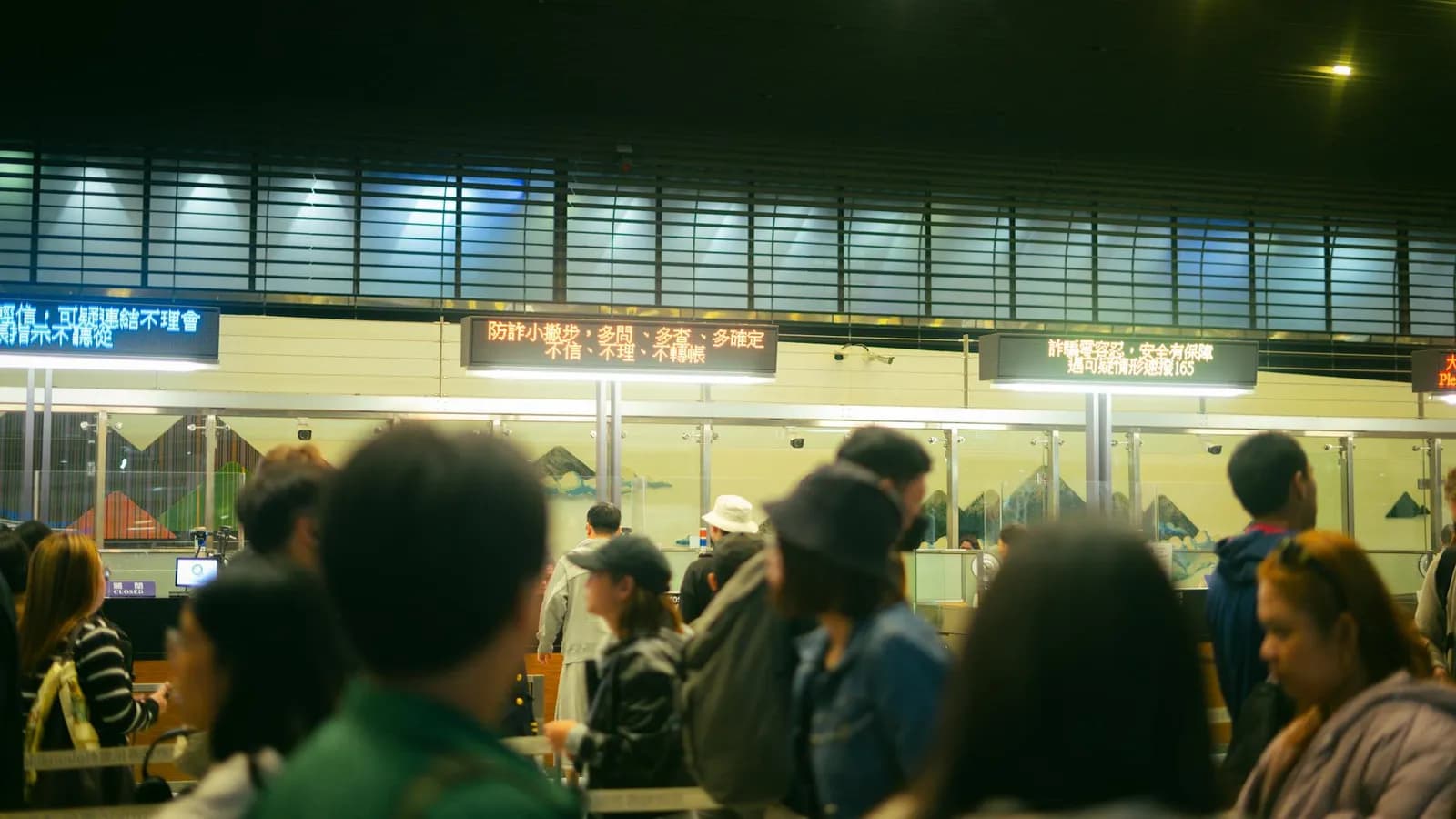
- • Queue properly. Single-file. No cutting. No holding spots for absent companions in a long line.
- • No pushing in lines. Don't shove forward, don't tail-gate the person ahead, don't lean on them, don't reach around them at the counter. The line will move at its pace.
- • Let people off before you get on. Trains, lifts, buses, escalators, cafés. Wait at the side of the door, not in front of it.
- • Don't crowd buffet stations, ATMs or photo spots. Step in, get what you need, step out.
- • Move aside on footpaths and trails when you stop to take a photo or check a map.
- • Don't block doorways, train doors, lift doors, shop entrances.
- • Backpacks come off in lifts, packed trains and tight cafés. They count as a second person otherwise.
- • Don't recline aggressively on planes. A slow recline, never during meal service, and check behind you first.
Smoking & Vaping
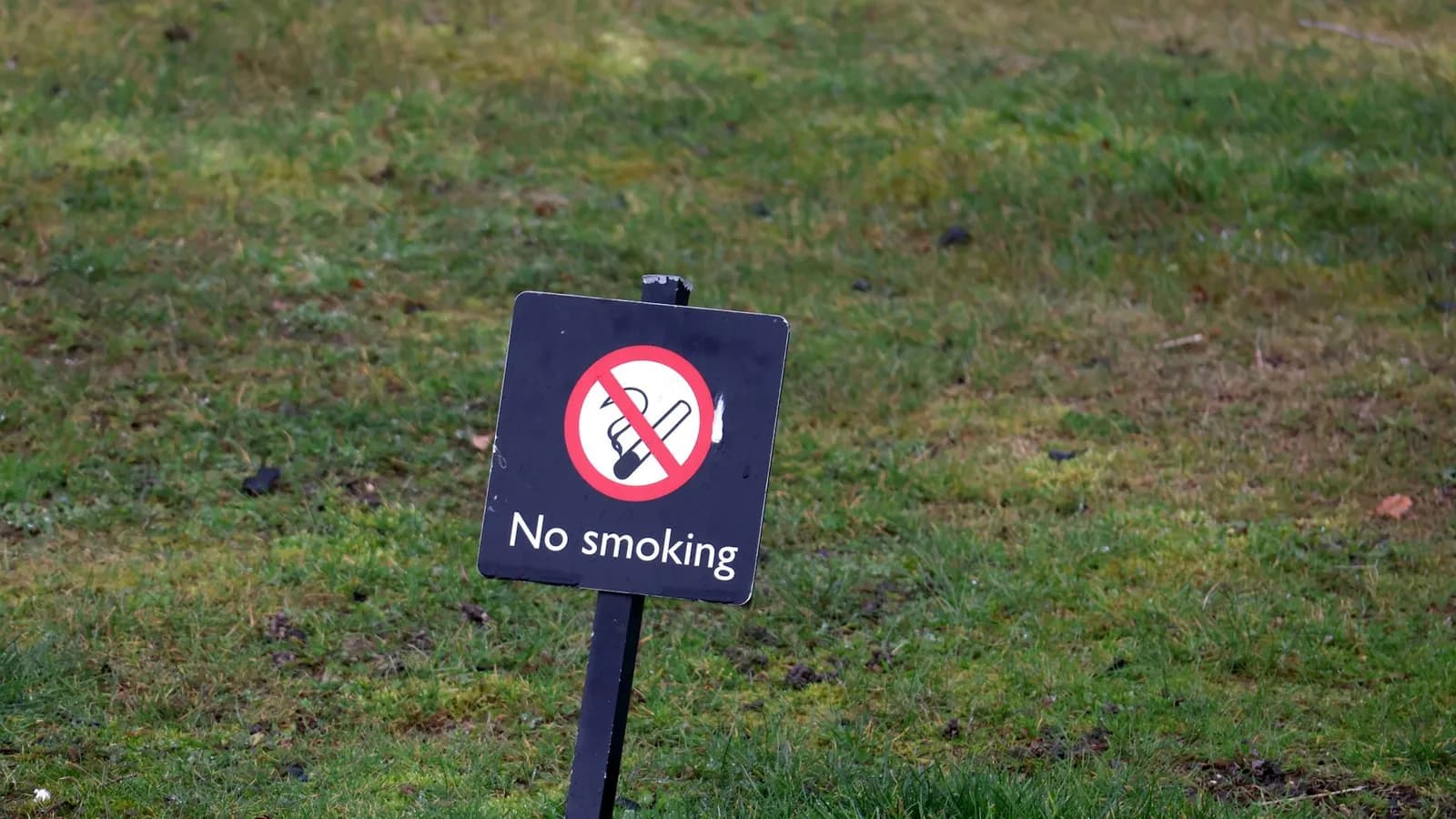
Different countries, different rules, but the courtesy logic is universal. Other people did not choose to breathe your smoke or vape cloud. Step away before you light up or pull the device out.
Where not to smoke or vape
- • In a queue, at a bus stop, on a train platform, in a taxi rank.
- • At a beach, pool, playground or outdoor sports ground (banned by law in most of Australia and many other countries).
- • On a balcony, courtyard or terrace that backs onto someone else's window.
- • In a hire car, taxi, rideshare, hotel room, hostel dorm, Airbnb. Even if there's no sign. The cleaning fee is yours.
- • Inside a campsite annex, tent, or caravan park camp kitchen.
- • Near children, prams, or people eating.
If you do smoke or vape
- • Step well away from doorways, windows and outdoor diners. Ten metres is the legal minimum in many places, but further is better.
- • Check the wind. Don't blow it into someone else's face, food or pram.
- • Vape clouds count. A big cloud through a packed market or train station is the same as second-hand smoke to most people.
- • Cigarette butts are not biodegradable. Carry a pocket ashtray (or a tin) and bin them properly. Never flick them into the gutter, sand, garden or bush.
- • Don't smoke through a hotel window or out a balcony door. The smoke goes into the next three rooms.
- • Some cultures find public smoking deeply rude (Japan, Singapore, parts of the US). Look for designated smoking areas.
A note on fire risk in Australia. Cigarettes are a leading cause of bushfires. On a Total Fire Ban day it is illegal to light a cigarette outdoors, including from a car window, anywhere in the state. The fine is in the thousands and the consequences can be catastrophic.
Photography & Privacy
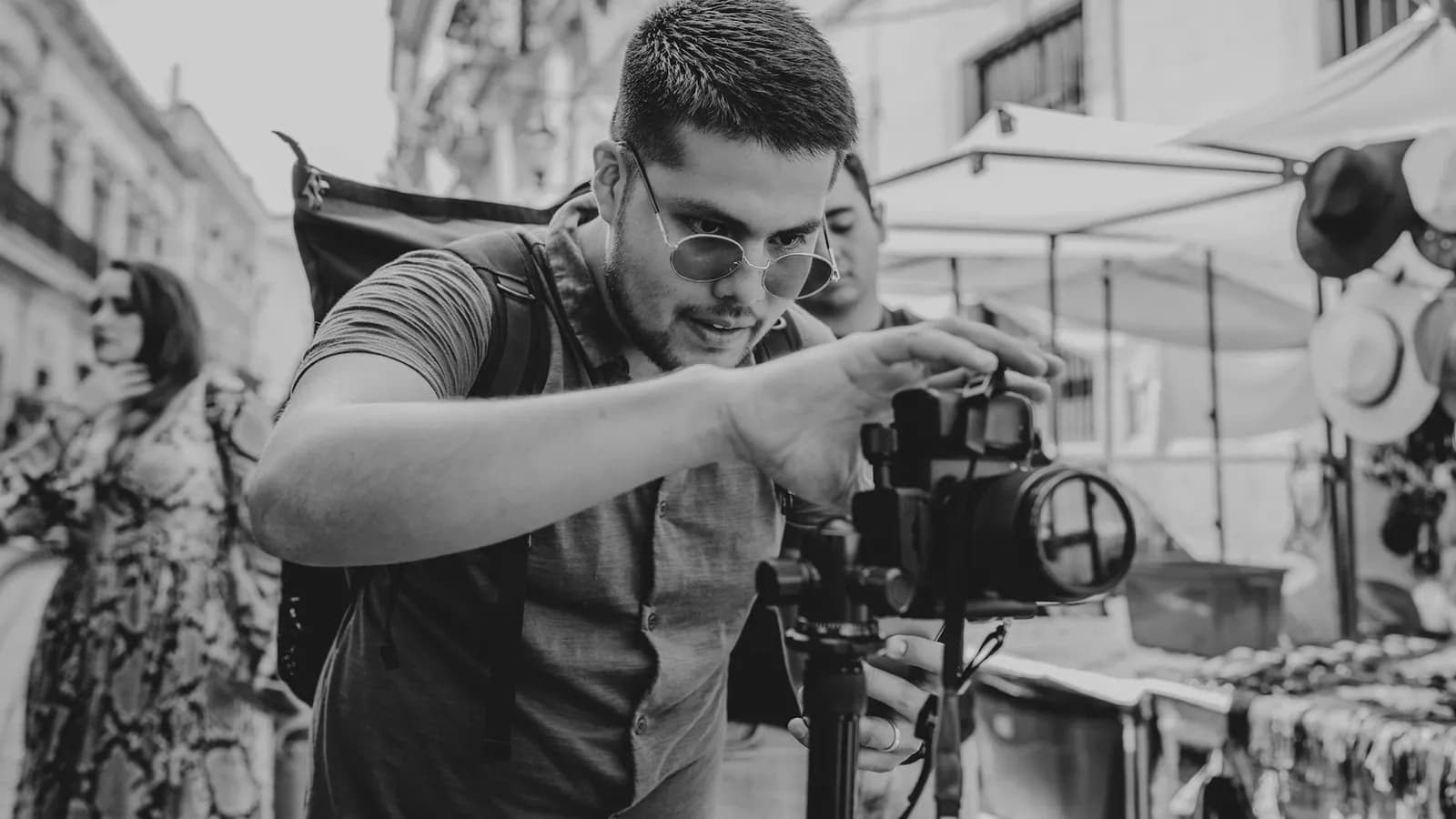
The rule of thumb: people are not scenery. Ask before you photograph anyone close enough to be identifiable, especially children, religious figures, and market sellers.
- • Ask first when a person is the subject. A smile + raised camera + nod usually works without language.
- • Accept no gracefully. Don't argue, sneak it, or push for "just one".
- • Tip if you've been promised a photo at markets or by performers, that's usually the implicit deal.
- • Don't photograph military, police, border posts, airports, or government buildings in many countries, it can be illegal.
- • Drones need permission. Many parks, towns and entire countries restrict or ban them.
- • Don't block other people's shots, wait your turn at viewpoints. The view will still be there in 60 seconds.
Local Customs & Language
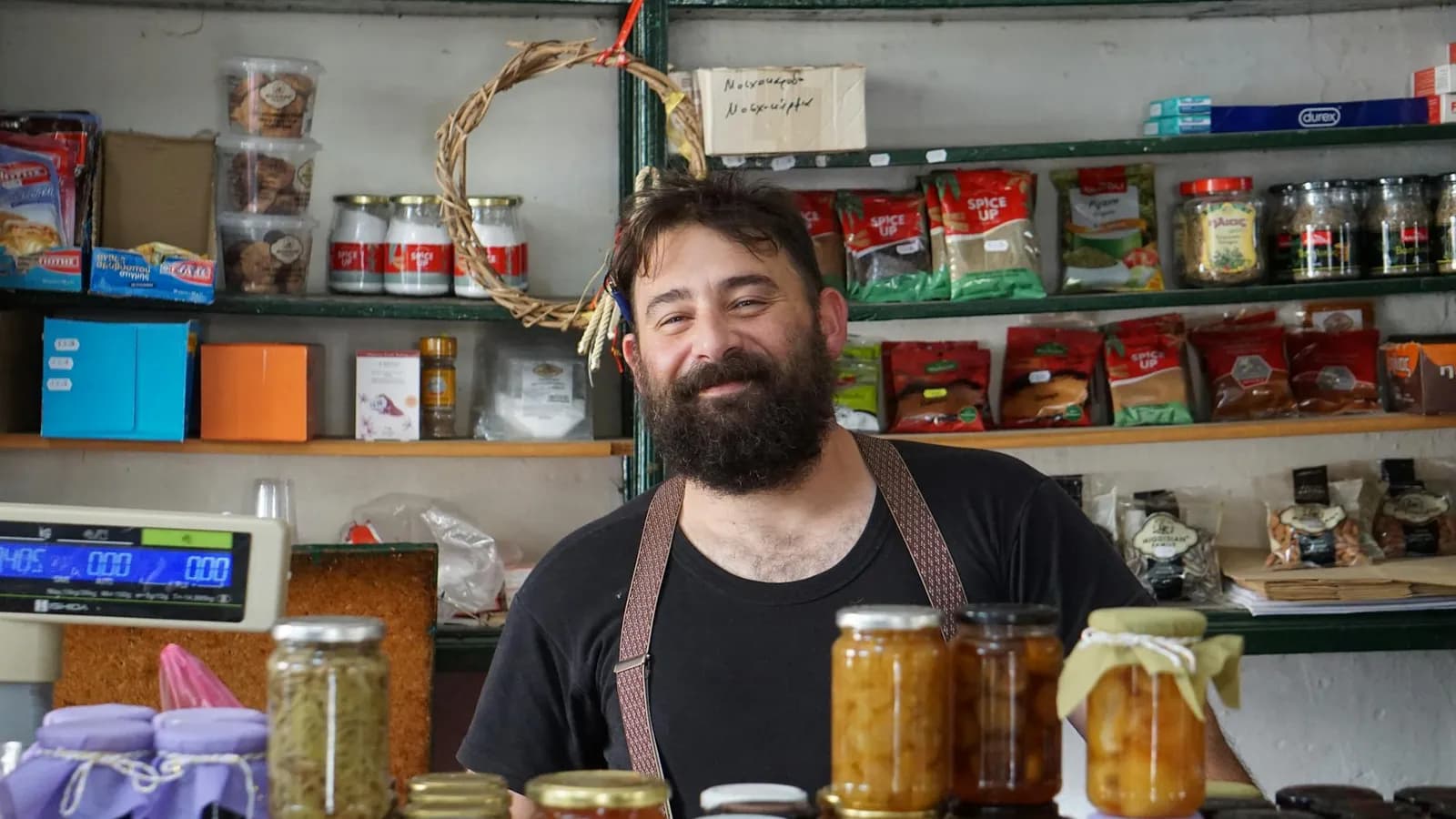
You don't need to be fluent, you need to be observant and willing to try. The effort matters more than the accuracy.
Research before you go
- • Skim a guide on customs, greetings and taboos for your destination.
- • Check the basic laws, drug penalties, public-drinking rules, photography restrictions.
- • Learn the tipping norm before you land, not at the table.
- • Note any public-holiday closures that fall on your trip.
Dress appropriately
- • Cover shoulders and knees for temples, churches, mosques and conservative neighbourhoods.
- • Carry a light scarf or sarong, it doubles as cover-up, head cover or shoulder wrap.
- • No swimwear away from the beach or pool. No singlets in nicer restaurants.
- • Take shoes off where indicated, homes in many Asian cultures, all sacred sites.
Language & manners
- • Learn five words: hello, please, thank you, sorry, goodbye.
- • Open with the local language even if you switch to English immediately.
- • Don't assume staff speak English, ask politely, don't louden up.
- • Avoid loud comparisons ("back home we do it better"). It always gets back.

Accommodation Etiquette
Hotels
- • Tip housekeeping where it's customary (US, parts of the Caribbean), small bill per night, left on the pillow.
- • Use "Do Not Disturb" if you're sleeping in, don't ignore the knock.
- • Don't take towels, slippers (unless disposable), or robes home.
- • Report breakages, staff would rather know than discover.
Hostels
- • Sit on your own bunk, not someone else's.
- • Use the red filter or dim torch mode when arriving late, never the overhead light.
- • Pack the night before if you're leaving at dawn.
- • Clean up your kitchen mess immediately. Label your food in shared fridges.
Campsites & holiday parks
- • Walk around other people's sites, not through them.
- • Keep dogs leashed and pick up after them, every time, immediately.
- • Clean the camp kitchen after you cook, leave the BBQ better than you found it.
- • Empty grey water and waste only in marked dump points, never on the ground or in storm drains.
On Planes, Trains & Buses
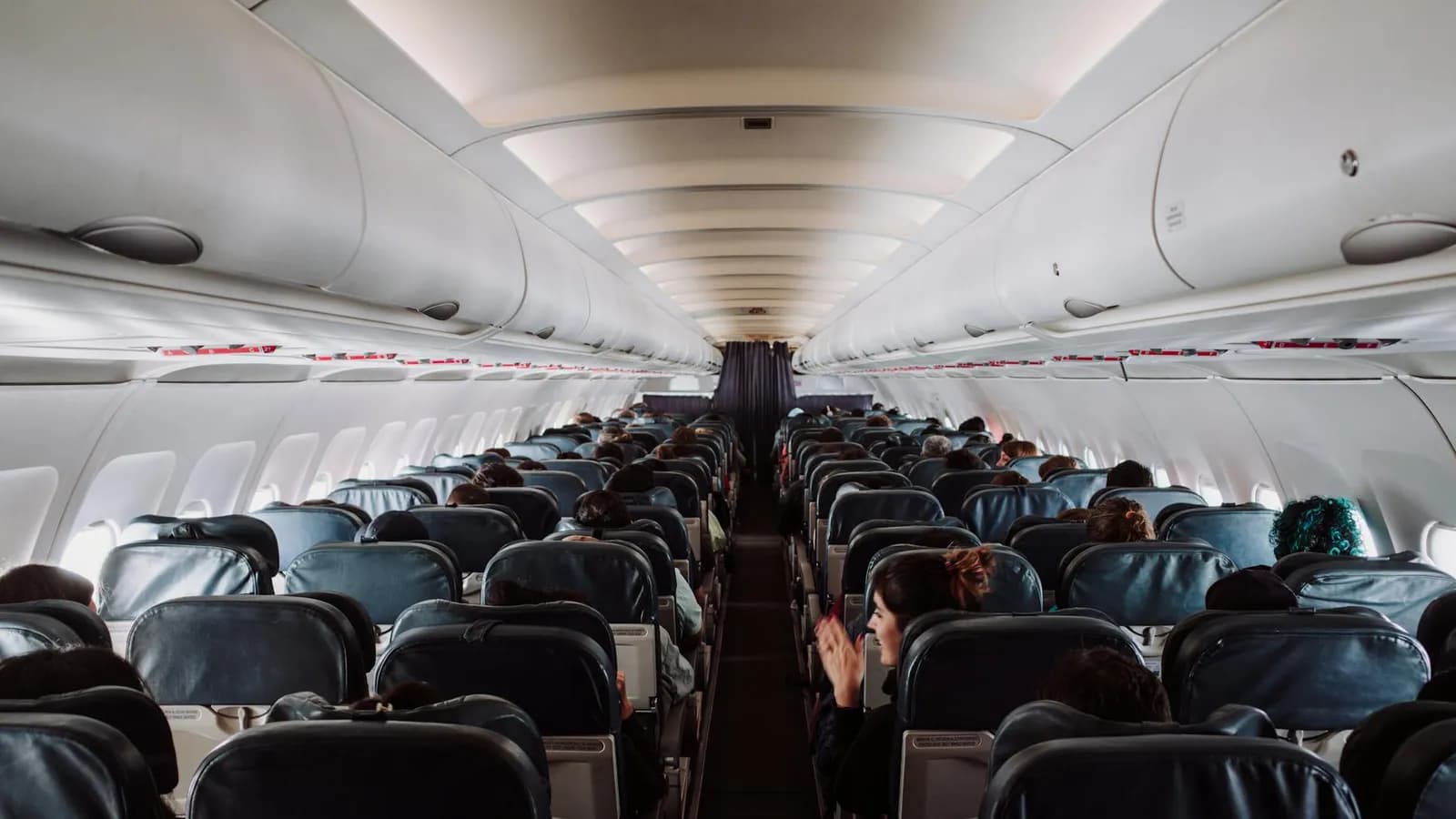
The 3-3-3 rule for long-haul flights
A simple framework cabin crew and frequent flyers swear by, it keeps you (and the people next to you) feeling human at the other end:
- • Every 3 hours, get up, stretch, walk the aisle (the CDC's deep-vein-thrombosis guidance recommends movement every 2-3 hours).
- • 3 litres of water across the flight, not coffee or alcohol.
- • 3 small meals instead of one heavy one, easier digestion at altitude.
Bonus: it forces a lap of the cabin, which is the politest possible reminder to your row that they can stand up too.
Planes
- • Don't crowd the gate. Board when your group is called.
- • There's already enough noise in an airport, don't add to it. No speakerphone, no out-loud videos, no shouting across the lounge.
- • Window controls window shade. Aisle has the armrest. Middle gets both inner armrests as compensation.
- • Don't kick or grab seat backs. Be deliberate getting up.
- • Stay seated until rows ahead of you have emptied, don't rugby-scrum the aisle.
- • Headphones in for everything with sound. Always.
Trains & buses
- • Offer your seat to anyone who needs it more than you do.
- • Keep bags off seats when the carriage is filling up.
- • Eat lightly and tidily, strong-smelling food in a closed carriage is a known sin.
- • Respect "quiet carriages", they are not "slightly quieter carriages".
Rideshares & taxis
- • Confirm name and plate before you get in.
- • Don't expect a long conversation, let the driver lead the social register.
- • Eat and drink only with permission. No open coffee, ever.
- • Tip per the local norm and rate honestly, drivers see the score before they accept.
On the road (touring & RV)
- • Pull over and let faster traffic past, don't make a road train sit behind you. (See our Australian road rules guide.)
- • Indicate early. Long vehicles need warning.
- • Don't park in two spots. Don't take the accessible bay.
- • Thank the driver who lets you in or pulls over for you (a quick hand wave is the universal signal).
Packing with consideration
- • Don't hog the overhead. One bag up, one under the seat in front, leave the bin for people boarding behind you.
- • Wheelie-bag handles down through tight aisles and busy stations. Pull them, don't drag them across people's feet.
- • Don't stage your full unpack in a hostel dorm. Pull what you need, zip it back up.
- • Pack a small toiletries bag instead of taking over the shared bathroom shelf.
- • Strong perfumes, deep-heat sprays and durian-class snacks stay in the bag for shared transport.
Restaurants & Shared Dining
- • Reserve where you can. If you can't make it, cancel, a no-show kills small restaurants.
- • Hostess seats you in most countries; don't pick your own table.
- • Phones face down. No videos at the table. No speakerphone, ever.
- • Don't camp on a table after the meal if there's a queue at the door.
- • Splitting the bill: tell the staff how many cards before they bring the EFTPOS machine.
- • Tipping varies enormously. 15-20% in the US, 5-10% across much of Europe, often nothing or a rounded note in Australia, NZ, Japan, China and Scandinavia. Check before you arrive.
- • Don't snap, click or wave aggressively at servers, eye contact and a small raised hand is universal.
Sacred Sites & Places of Worship
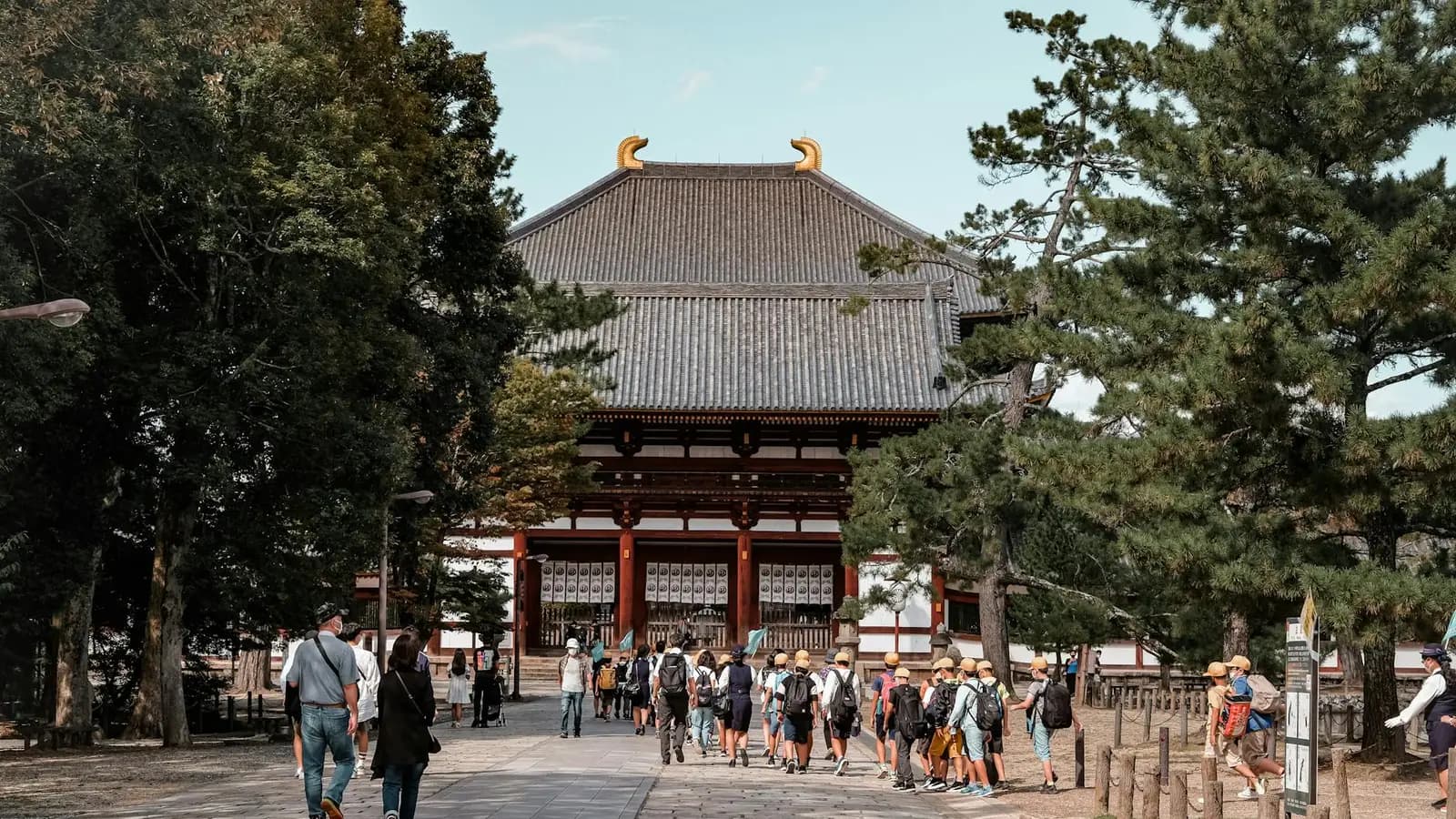
Temples, churches, mosques, synagogues and Indigenous sacred sites are not photo opportunities, they are living places of worship. The same rules apply almost everywhere:
- • Cover up. Shoulders, knees, sometimes hair. Many sites provide shawls, use them.
- • Remove shoes where indicated. Hats off (unless the tradition is the opposite, like a synagogue).
- • Silence your phone and your voice. Whisper at most.
- • No photos during prayer or ceremony. No photos of monks, nuns or clergy without explicit consent.
- • Don't climb on shrines, statues or memorials for a photo.
- • Indigenous sites: follow signage strictly. Some areas are gender-restricted, photography-restricted, or completely off-limits, and the signs mean it.
Outdoors & The Environment
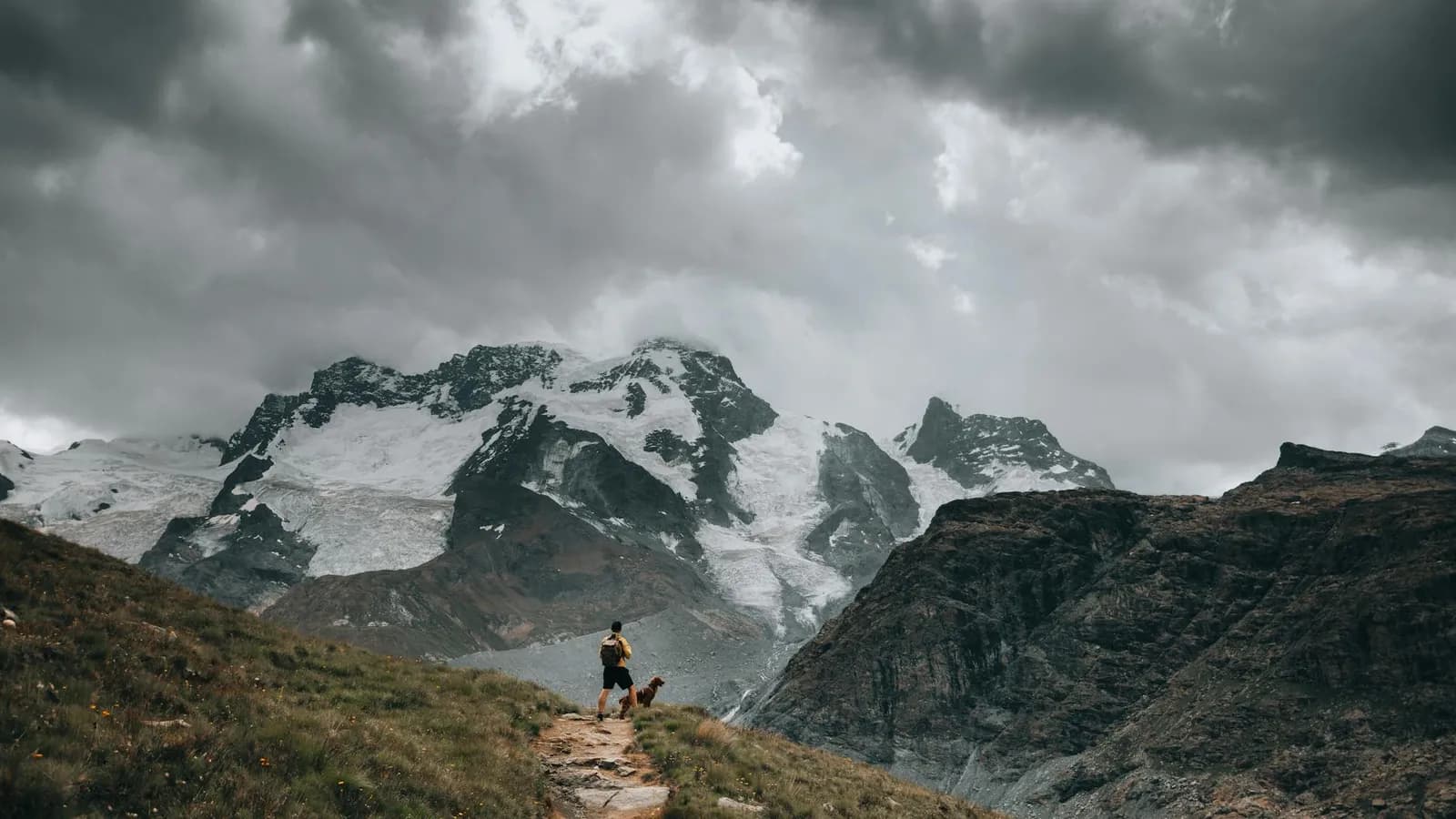
Leave No Trace. Take everything out that you brought in, including orange peels, apple cores and tissues. "Biodegradable" still takes years.
- • Stay on marked trails. Shortcuts cause erosion that takes decades to repair.
- • Don't feed wildlife, ever. It changes behaviour, shortens lives, and gets animals killed.
- • Keep your distance. If the animal reacts to you, you're too close.
- • Pack out toilet paper from bush sites, or bury waste 15cm deep and 70m from any water source.
- • No soap (even biodegradable) in lakes, rivers or hot springs.
- • Don't move rocks, build cairns, or carve initials. Other people want to find it the way you did.
- • Campfires only in fire pits, only when permitted, and out cold before you leave.
Tipping, Bargaining & Money
- • Research before you arrive. Tipping is generous in the US, modest in Europe, often non-existent or even rude in Japan and South Korea.
- • Don't undertip when the local wage depends on it. If you can't afford to tip the way locals do, eat at a counter instead.
- • Bargain only where bargaining is the norm, markets, souks, tuk-tuks. Not in fixed-price shops, supermarkets, restaurants or pharmacies.
- • Bargain with a smile. The point is a fair price both parties feel good about, not a win.
- • Don't haggle aggressively over what is, to you, pocket change from an artisan or street vendor.
- • Carry small notes. "I don't have change" is the slowest possible answer at a market or rural petrol station.
Travel Do's and Don'ts
The shortest possible version of this page, side by side. Skim the column on the right whenever you catch yourself about to do one of them.
Do
- ✓ Wear headphones for anything with sound.
- ✓ Greet people in the local language first.
- ✓ Tip the way the locals tip.
- ✓ Dress for the place, not for the photo.
- ✓ Ask before photographing a person.
- ✓ Step aside when you stop to look or check a map.
- ✓ Pack the night before an early flight.
- ✓ Carry small notes and coins.
- ✓ Match the volume of the room you're in.
- ✓ Take everything you brought in back out with you.
Don't
- ✗ Speakerphone, FaceTime, or play TikToks out loud in public.
- ✗ Cut queues or hold spots for absent companions.
- ✗ Block doorways, lift doors or train doors.
- ✗ Photograph children, police or sacred ceremonies without consent.
- ✗ Wear singlets, shorts or hats inside places of worship.
- ✗ Loudly compare prices, food or service to "back home".
- ✗ Climb on shrines, statues or memorials for a photo.
- ✗ Feed wildlife or stray animals.
- ✗ Haggle aggressively over pocket change with artisans.
- ✗ Run a generator or slam doors before quiet hours end.
The 60-Second Checklist
If you remember nothing else from this page, remember these:
- ✓ Headphones in. Always.
- ✓ Notifications off in public.
- ✓ Quiet voice in quiet places.
- ✓ Ask before you photograph people.
- ✓ Learn five words of the local language.
- ✓ Don't block doorways, queues or trails.
- ✓ Tip the local way, not your way.
- ✓ Cover up at sacred sites.
- ✓ Leave no trace, including the peel.
- ✓ Pack the night before an early flight.
- ✓ Don't shortcut trails or move rocks.
- ✓ Move aside when you stop.
- ✓ When in doubt, copy the locals.
None of this is hard. It's mostly noticing what's around you and giving people the same consideration you'd want at home. Do that, and the road opens up, you'll get better service, kinder strangers, and the rare modern luxury of being someone other travellers are glad to share a space with.
Related guides
Australian Road Rules
Federal and state-by-state driving laws for travellers and tow-vehicle drivers.
Australian Visas
Visitor, working-holiday and renewal pathways with current eligibility and fees.
Campsites & Caravan Parks
18,000+ campsites with facilities, pricing and dog-friendly filters.
Dump Points
Greywater and chemical-toilet dump points across Australia.
National Parks
Visiting rules, fees and Indigenous-site guidance for every park.
About Touringuide
Who writes these guides and how we research them.
Sources & further reading
- • Meiwaku, Wikipedia, the Japanese cultural concept of avoiding inconvenience to others.
- • The 7 Principles of Leave No Trace, outdoor ethics standard, lnt.org.
- • Blood Clots and Travel, US CDC, basis for the 3-3-3 flight movement and hydration guidance.
- • Respecting sacred sites, UNESCO, global framework for visitor conduct at culturally significant places.
- • Pexels License, image rights for the photography on this page.
Photography via Pexels: Huu Huynh (hero), Marcus Aurelius, Nano Erdozain, Kenneth Surillo, Ulad R, Amar Preciado, Demetra Ioannidou, Ketut Subiyanto, Kelly, Huu Huynh, urtimud.89.