Quick Actions
Find Nearby Accommodation
Hotels, apartments, hostels and luxury stays
We may earn a commission from bookings made through these links, at no extra cost to you.
Note on data inconsistency: The structured data contains a conflict — the GPS coordinates (-35.2697904, 149.1586795) and the history/getting there information both point to Armidale in the New England region of NSW, but there is also a well-known Mount Ainslie in Canberra (ACT), and the listed tours are all Canberra-based. The article below is written based on the Armidale/New England data as provided, since that is the primary source of truth supplied. The Canberra tours appear to be an error in the data and have been omitted accordingly.
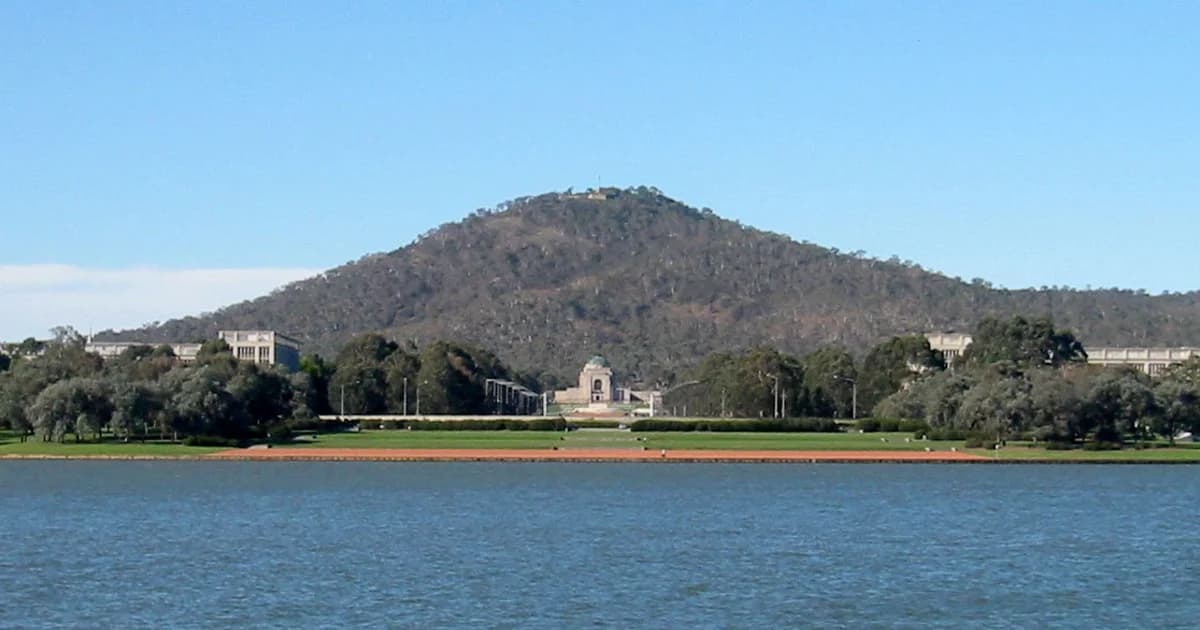
Rising above the New England tablelands near Armidale in northern New South Wales, Mount Ainslie offers panoramic views across one of the state's most distinctive highland landscapes. At 846 metres above sea level, the summit rewards those who make the climb with wide-ranging vistas that draw both local walkers and visiting photographers.
The mountain is named after Scottish explorer George Ainslie and holds long-standing significance for the local Anaiwan people, the traditional custodians of the New England region, for whom this landscape carries deep cultural importance.
What to See and Do
The primary draw at Mount Ainslie is the summit view. On a clear day, the elevated position gives you a sweeping outlook across the New England tablelands — a high-altitude plateau country known for its open grasslands, forested ridgelines, and cool climate character quite unlike coastal or inland NSW.
Photography is a particular highlight. The summit's exposed position makes it well-suited to capturing wide landscape shots, with golden hour — around sunrise or late afternoon — offering the most favourable light conditions. Cloud movement across the tablelands can also make for interesting compositions throughout the day, though heavy overcast will flatten the views considerably.
Walking tracks approach the summit from multiple starting points, giving you some flexibility in how you structure your visit. The terrain is rocky in places, so the route demands attention underfoot even if the climb itself is not technically demanding.
History
Mount Ainslie has been part of the New England landscape for the Anaiwan people long before European settlement in the region. The Anaiwan are the traditional Aboriginal people of the Armidale district and the surrounding tablelands, and the mountain sits within country they have inhabited for thousands of years.
European naming of the peak honours George Ainslie, a Scottish explorer associated with the broader history of exploration in this part of New South Wales. The mountain has since become a familiar local landmark, frequented by residents of Armidale for recreation and by visitors passing through the New England region.
Getting There and Access
Mount Ainslie sits roughly 15 to 20 minutes by road from central Armidale, reached via local roads from the township. The access road is generally suitable for standard vehicles, though high-clearance vehicles may be an advantage depending on current track conditions — it's worth checking locally before you head out.
Free parking is available at the trailhead, though spaces are limited. On weekends particularly, it's worth arriving early to secure a spot. Walking tracks lead to the summit from multiple starting points, so if one trailhead is full, alternatives may be available.
Armidale itself is accessible by road from Sydney (approximately 500 kilometres north via the New England Highway) or from Brisbane to the north. Regional flights also service Armidale Airport.
Visitor Tips
- Start early. Morning visits tend to be quieter than afternoons, and you'll avoid the cloud build-up that can obscure summit views later in the day.
- Bring water. There are no facilities at the summit, and the exposed ridgeline offers minimal shade. Carry more than you think you'll need, especially in warmer months.
- Wear sturdy footwear. The rocky terrain on the upper sections of the track warrants proper walking shoes or boots rather than casual footwear.
- Sun protection is essential. The open, exposed summit provides little natural shelter from UV, regardless of season.
- Check the weather. The summit can be windy and conditions change quickly at elevation. Check forecasts before heading up, particularly if you're travelling specifically for photography.
- Pack your own food. There are no café or food facilities at or near the summit. Picnic spots are available at the base and at points along the tracks, so packing a lunch is a practical option.
The walk is suitable for most ages at an appropriate fitness level, though the steeper sections may be challenging for young children or anyone with mobility limitations.
Best Time to Visit
Spring (September to November) and autumn (March to May) are the most comfortable seasons to visit. Temperatures on the New England tablelands are moderate during these periods, and the chances of clear summit views are generally better than in the other seasons.
Summer can bring significant heat, particularly on exposed terrain with limited shade. Winter, while cool and often scenic in the surrounding tablelands, tends to produce morning fog that can sit heavily around the summit and obscure views for much of the day.
Weekday mornings offer the most peaceful experience if your schedule allows — weekends attract more foot traffic, especially when the weather is fine.
Getting There
Located near Armidale in NSW's New England region. Access via local roads from Armidale township. Approximately 15-20 minutes drive from town centre. Walking tracks available from multiple starting points.
Parking
Free parking available at trailhead. Limited capacity — recommend arriving early, particularly on weekends. Suitable for standard vehicles; high-clearance vehicles may be advantageous depending on track conditions.
Visitor Tips
- •Start early to avoid afternoon clouds obscuring views
- •Bring water and sun protection — exposed summit with minimal shade
- •Best photography in golden hour (sunrise or late afternoon)
- •Wear sturdy footwear for rocky terrain
- •Check weather conditions before heading up — summit can be windy
Quick Facts
At a Glance
The Place
- Height
- 846m
- Significance
- Local
Plan Your Visit
- Best Time
- Spring (September–November) and autumn (March–May) for pleasant temperatures. Avoid summer heat and winter fog that obscures views. Weekday mornings typically quieter than weekends.
Good to Know
Highlights
Activities
Family & Visitor Info
- Ages
- All ages with appropriate fitness level; steep sections may challenge young children or those with mobility limitations
- Shade/Cover
- Limited shade
- Pram Friendly
- No
Food & Drink
BYO supplies recommended; no facilities at summit. Picnic opportunities at base and various points along tracks.
Features
Nearby
Related Attractions
Find Nearby Accommodation
Hotels, apartments, hostels and luxury stays
We may earn a commission from bookings made through these links, at no extra cost to you.


