Bay of Islands
Natural landmark in Bay of Islands, northland.
Natural Landmark · Reef in Northland
Photo: Wikimedia Commons (CC BY-SA)
 Written by Ben Cole· Updated May 2026
Find Nearby Accommodation
Hotels, apartments, hostels and luxury stays
We may earn a commission from bookings made through these links, at no extra cost to you.
About Bay of Islands
A subtropical micro-region of 144 islands scattered between Cape Brett and the Purerua Peninsula. The Bay of Islands is one of New Zealand's most popular holiday destinations, offering pristine beaches, clear waters, big-game fishing, and rich Maori and European history. The Hole in [the Rock](/au/places/nsw/the-rock) on Motukokako island is an iconic landmark.
The Bay of Islands stretches across a sweep of subtropical coastline in far north Northland, encompassing 144 islands scattered between Cape Brett and the Purerua Peninsula. The waters here are clear, the beaches are generally pristine, and the region carries more weight in New Zealand's history than almost anywhere else in the country. It's also one of New Zealand's most consistently popular holiday destinations — which means planning ahead pays off.
The bay sits roughly 3 to 3.5 hours north of Auckland via State Highway 1, with Paihia serving as the main hub for accommodation, tours, and facilities. Russell, the bay's quieter and more characterful township, is a short 20-minute car ferry ride from Paihia.
What to See and Do
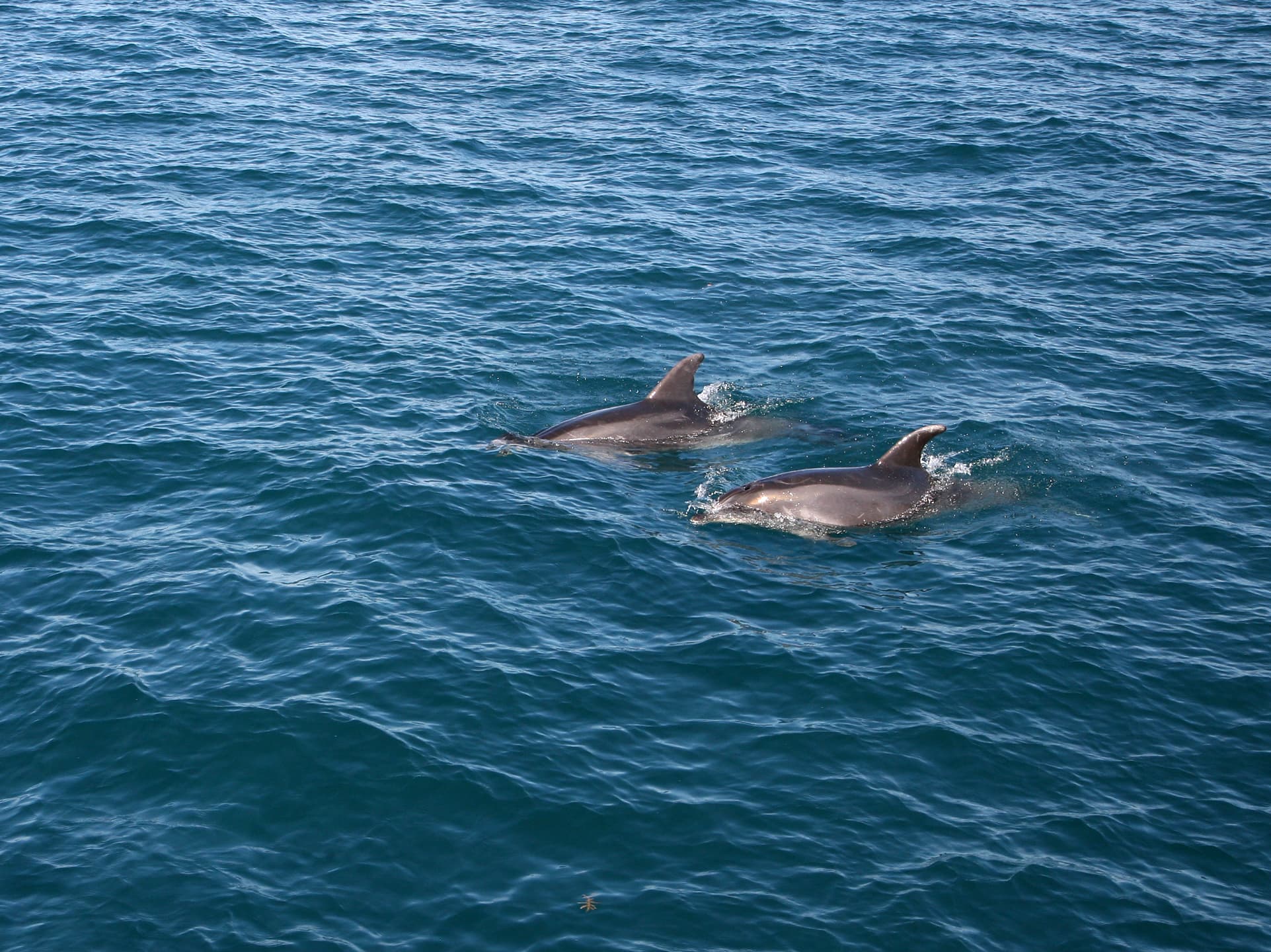
The bay's appeal is largely on and in the water. Sailing, kayaking, diving, and big-game fishing are all well catered for, with operators based primarily out of Paihia. Dolphin swimming tours are a drawcard — encounters with common and bottlenose dolphins are reasonably reliable in these waters, though they're wild animals and sightings are never guaranteed.
The Hole in the Rock on Motukokako Island near Cape Brett is the bay's most recognisable landmark — a natural archway through a rocky headland that tour boats pass through when sea conditions allow. Most visitors reach it on a full-day or half-day cruise departing Paihia or Russell. These tours typically cover a good spread of the bay and are worth booking well in advance during summer.
Urupukapuka Island is the largest of the bay's islands and one of the most accessible, with walking tracks, camping, and good snorkelling. It's reachable by regular ferry from Paihia. If you're planning to snorkel across multiple sites, it's worth hiring or bringing your own gear rather than paying for it piecemeal.
The Cape Brett Walkway is a more demanding option — a full-day tramping track that traces the peninsula to the Cape Brett lighthouse. It's best suited to those aged eight and up with reasonable fitness. The trailhead car park is limited, so aim for an early start or visit mid-week if possible.
The bay's beaches are generally suitable for families with young children, though supervision is always necessary. Shade is limited across most coastal areas, so sun protection is essential.
History
Few places in New Zealand carry as much historical significance as the Bay of Islands. The region was home to several Māori iwi long before European contact, and it became one of the first areas in the country where sustained interaction between Māori and European settlers took root in the early 19th century.
The bay developed into a significant hub for whaling and trading during that period, drawing ships and settlers from Britain and beyond. Paihia, Russell (then known as Kororāreka), and the surrounding area became the focal point of colonial New Zealand.
Most significantly, it was at Waitangi Township — on the shores of the bay — that the Treaty of Waitangi was signed in February 1840. The Treaty, agreed between the British Crown and Māori rangatira (chiefs), established British sovereignty over New Zealand and remains the country's founding constitutional document. The Waitangi Treaty Grounds are open to visitors and provide important context for understanding both the bay's history and New Zealand's broader story.
Getting There and Access
The Bay of Islands is accessible from Auckland via State Highway 1. The drive is around 2.5 hours under normal conditions. Paihia is the natural starting point — it has the most facilities, the most tour operators, and good waterfront parking, though spaces fill quickly during summer. Arriving early or using overflow car parks is advisable during peak periods.
Public transport connections to the Bay of Islands are limited, so a hire car gives you considerably more flexibility, particularly for reaching trailheads and quieter parts of the coast.
Russell is accessible by passenger ferry from Paihia (a short trip across the bay) or by car ferry, which takes around 20 minutes. Both options run regularly during daylight hours.
International visitors will arrive via Auckland Airport and need to arrange onward travel from there — a rental car collected in Auckland is the most straightforward option.
Best Time to Visit
October through April is the most suitable period for water-based activities and swimming, with warmer temperatures and calmer seas. December and January are peak summer and bring significant crowds along with higher accommodation prices. March–April and October–November offer a good balance — the weather is generally settled, the water is warm enough for swimming, and visitor numbers are lower than the holiday peak.
The winter months of June through August see water temperatures drop considerably, which limits swimming and makes some on-water activities less appealing. If you're visiting primarily for land-based sightseeing and history, winter is still manageable, but it's not ideal for the activities the bay does best.
Weekdays are noticeably quieter than weekends year-round.
Visitor Tips
- Book boat tours early. Dolphin swimming tours and Hole in the Rock cruises fill up quickly in summer — secure your spots before you arrive.
- Shoulder seasons are worth considering. October–November and March–April offer fewer crowds, competitive pricing, and generally reliable weather.
- Bring seasickness medication if you're prone — the open water beyond the bay can be choppy, and some tours spend time in exposed conditions.
- Pack snorkelling gear or hire a full set locally if you're planning multiple days on the water — it works out better value than single-use rentals.
- Sun protection is non-negotiable. Shade is limited at most beaches and on boat tours. Hats, SPF50+, and UV-rated swimwear are all useful.
- Plan island day trips carefully. Food options on remote islands are minimal to non-existent — bring your own provisions.
- Children are well catered for across most of the bay's activities, though boat tours and dolphin swims are best suited to ages four and up, and the Cape Brett track is more appropriate for ages eight and over.
Nearby Attractions
The Waitangi Treaty Grounds are the obvious complement to any visit — located directly on the bay's waterfront and covering the site where the Treaty of Waitangi was signed. For those travelling north, the Northland region offers further historical sites, coastal scenery, and the Far North's distinctive landscape.
Getting There
Located in far north Northland, 2.5 hours north of Auckland via State Highway 1. Paihia is the main hub town with full facilities. Russell is accessible by car ferry from Paihia (20 mins). Public transport limited — hire car essential for flexibility. International airports in Auckland require onward travel.
Parking
Free parking widely available in Paihia and Russell. Main waterfront car parks have good capacity but fill quickly in summer — arrive early or use overflow areas. Accessible parking near visitor centre and main attractions. Limited parking at Cape Brett trailhead — use early morning or visit mid-week. Overnight parking available at accommodation and dedicated car parks.
Visitor Tips
- •Book boat tours to Hole in the Rock and dolphin encounters well ahead, especially in summer
- •Visit in shoulder seasons (Oct-Nov, Mar-Apr) for fewer crowds and better weather than peak summer
- •Bring sun protection and seasickness medication if prone — open water trips can be rough
- •Stay in Paihia or Russell for easiest access to tours and facilities
- •Pack snorkelling gear or rent locally for best value if planning multiple water activities
- •Arrive early for popular attractions to secure parking and tour spots
Find Nearby Accommodation
Hotels, apartments, hostels and luxury stays
We may earn a commission from bookings made through these links, at no extra cost to you.
Quick Facts
At a Glance
The Place
- Significance
- National
Plan Your Visit
- Entry
- Free
- Duration
- 2-5 days
- Best Time
- October to April for warm water and outdoor activities. December-January peak summer brings crowds and higher prices. March-April and October-November offer better weather, fewer tourists, and calmer seas. Avoid June-August (winter) for swimming — water temperature drops significantly. Weekdays quieter than weekends year-round.
Location
- Region
- Bay of Islands
- State
- Northland
Good to Know
Highlights
Activities
Family & Visitor Info
- Ages
- All ages. Beaches suitable for young children with supervision. Dolphin tours and boat trips accessible to all but best for ages 4+. Some walks (Cape Brett) better for ages 8+. Water activities require reasonable swimming ability.
- Shade/Cover
- Limited shade
- Pram Friendly
- Yes
Food & Drink
Paihia and Russell have multiple cafes, restaurants, and takeaway options. Picnic areas available at beaches and parks. BYO supplies recommended for day trips to islands. Limited food availability on remote islands — bring provisions.
Features
Facilities
Nearby
Campsites(5)
Trails(3)
Find Nearby Accommodation
Hotels, apartments, hostels and luxury stays
We may earn a commission from bookings made through these links, at no extra cost to you.