Whanganui National Park
Whanganui National Park — National park in Whanganui, manawatu-whanganui.
National Park in Manawatū-Whanganui
Photo: Wikimedia Commons (CC BY-SA)
 Written by Ben Cole· Updated Apr 2026
Find Nearby Accommodation
Hotels, apartments, hostels and luxury stays
We may earn a commission from bookings made through these links, at no extra cost to you.
About Whanganui National Park
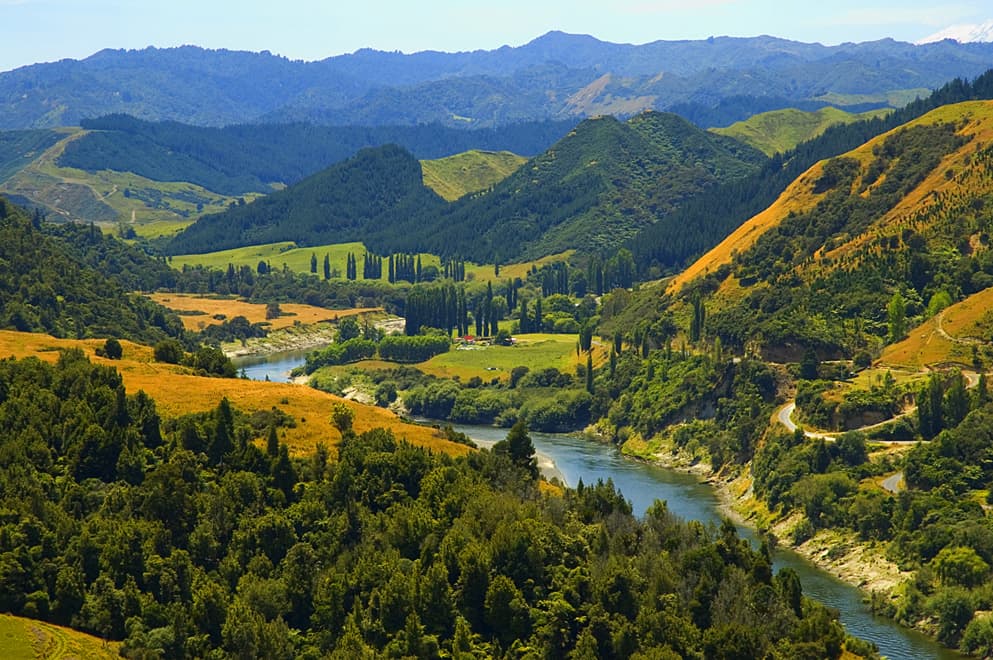
Carved by the Whanganui River — the longest navigable river in New Zealand — this park is dominated by lush lowland broadleaf forest. The Whanganui Journey, a 3-5 day canoe trip down the river, is one of New Zealand's Great Walks (despite being a paddle). Features the famous Bridge to Nowhere, a concrete bridge deep in the bush built in the 1930s for a farming settlement that was abandoned.
Whanganui National Park stretches across 742 square kilometres of the Manawatu-Whanganui region, its landscape shaped entirely by water. The Whanganui River — the longest navigable river in New Zealand — carves through dense lowland broadleaf forest, and it's this river that gives the park both its character and its purpose. Whether you're paddling the full length over several days, riding a jet boat into the remote interior, or simply walking through the bush to a concrete bridge that leads to nothing, the park rewards visitors who are willing to slow down and engage with it on its own terms.
Entry to the park is free, and the Department of Conservation website is the best starting point for planning your visit.
What to See and Do
The Whanganui Journey
The centrepiece of the park is the Whanganui Journey, one of New Zealand's Great Walks — though unusually, it's completed by paddle rather than on foot. The route takes three to five days by canoe or kayak and follows the Whanganui River through some of the country's most remote lowland forest. It's a genuine wilderness experience: the river winds through steep-sided gorges and past dense bush, with few signs of the outside world once you're underway.
Permits are required for the Whanganui Journey and should be booked well in advance through DOC, as places fill quickly during the summer season. Canoes and kayaks can be hired from operators based in Taumarunui or Whakahoro, the main upper-river launch points. The journey is best suited to those aged 12 and over, and prior paddling experience is strongly recommended — if you're a beginner, going with a guided operator is a sensible choice.
River conditions change quickly. Check water levels and the weather forecast before you set off, and be aware that high water and strong winds can make paddling hazardous. Waterproof bags are essential for keeping gear dry.
Bridge to Nowhere
One of the park's most distinctive landmarks is the Bridge to Nowhere — a full-scale concrete bridge, built in 1936, sitting deep in the bush with no road leading to it and no road leaving it. It was constructed to serve a farming settlement that was ultimately abandoned when the land proved unworkable. Today the bridge stands as an unusual piece of heritage, completely reclaimed by the surrounding forest.
You can reach it two ways: by jet boat from Pipiriki (roughly 30 minutes south of Whanganui city), or on foot via a challenging 40-minute walk through the bush. The jet boat option suits families and those short on time; the walk gives a better sense of the remoteness that made the settlement's failure almost inevitable.
Other Activities
Beyond the river journey and the Bridge to Nowhere, the park supports hiking through its lowland forest, and photography opportunities are plentiful — particularly along the river and in the gorge sections. Jet boating is available through commercial operators departing from Pipiriki. Short forest walks are suitable for all ages and don't require any special preparation beyond sensible footwear.
History
Whanganui National Park was established in 1986 to protect the Whanganui River and the surrounding lowland forest ecosystem. The river itself holds deep cultural significance to Whanganui iwi, and in 2017 it was granted legal personhood under New Zealand law — a recognition (following Te Urewera in 2014) that gave the river the same legal rights as a person. The legislation reflected the iwi's long-held view of the river as an ancestor, expressed in the saying Ko au te awa, ko te awa ko au ("I am the river, the river is me").
The Bridge to Nowhere adds another layer of human history to the park. The farming settlement it was built to serve was populated largely by returned soldiers after World War One, who were allocated land in the remote Mangapurua Valley. A combination of poor soils, isolation, flooding, and the economic pressures of the Depression era made the settlement unviable, and by the early 1940s the land had been abandoned. The bridge, completed just before the settlement collapsed, remains intact.
Getting There and Access
The park has two main access points, depending on what you plan to do.
Taumarunui — located on State Highway 4, about 1.5 hours south of Hamilton — is the starting point for most multi-day river journeys. From here, paddlers typically travel downstream to Whakahoro before continuing south through the park.
Pipiriki — around 30 minutes south of Whanganui city — is the base for jet boat trips to the Bridge to Nowhere and serves as the finishing point for many river journeys.
There is no public transport to either launch site, so a car or shuttle service is essential. Free parking is available at both Taumarunui and Pipiriki visitor areas, though capacity is limited to around 20–30 spaces at each. Leave valuables out of sight in your vehicle.
Visitor Tips
- Book Whanganui Journey permits through DOC as early as possible — demand is high during summer and spaces are limited.
- Hire canoes and kayaks from operators in Taumarunui or Whakahoro, and don't underestimate the river if you lack experience.
- Hut camping along the Whanganui Journey is available on a first-come, first-served basis. Bring your own food and cooking equipment — there are no commercial food options within the park.
- Pack insect repellent, sun protection, and waterproof storage for all gear.
- Always check river levels and the weather forecast before departing. Conditions can change rapidly with rainfall.
- Small cafés are available in Taumarunui and Whanganui city, but once you're on the river, you're self-sufficient.
Best Time to Visit
October through April is the recommended window for visiting the park. This covers the warmer months when river paddling is most comfortable and conditions are generally more stable. The Whanganui Journey can be done year-round, but winter brings colder temperatures and a higher likelihood of elevated river levels. Summer weekends are the busiest period, particularly for jet boat trips to the Bridge to Nowhere.
Warnings
Getting There
The park straddles Whanganui region; main access points are Taumarunui (1.5 hours south of Hamilton on State Highway 4) for upper river, and Pipiriki (30 mins south of Whanganui city) for jet boat and Bridge to Nowhere trips. No public transport to launch sites; car or shuttle service essential.
Parking
Free parking at Taumarunui and Pipiriki visitor areas; limited capacity (estimate 20–30 spaces at each). Accessibility varies; enquire locally. Overflow parking available in nearby towns. Leave valuables out of sight.
Visitor Tips
- •Book the Whanganui Journey well in advance — it's popular year-round and permits are limited
- •Rent canoes/kayaks from local operators in Taumarunui or Whakahoro; don't attempt without experience or a guide
- •The Bridge to Nowhere is accessible by jet boat or a challenging 40-minute walk — jet boat trips depart from Pipiriki
- •Bring insect repellent, sun protection, and waterproof bags; river conditions vary with rainfall
- •Camping is first-come, first-served at Whanganui Journey huts — bring your own food and cooking equipment
- •Check river levels and weather before departing — high water and wind make paddling dangerous
Find Nearby Accommodation
Hotels, apartments, hostels and luxury stays
We may earn a commission from bookings made through these links, at no extra cost to you.
Quick Facts
At a Glance
The Place
- Area
- 742 km²
- Established
- 1986
- Significance
- National
Plan Your Visit
- Entry
- Free
- Duration
- 3-5 days for river journey
- Best Time
- October to April
Location
- Region
- Whanganui
- State
- Manawatū-Whanganui
Good to Know
Highlights
Activities
Family & Visitor Info
- Ages
- Whanganui Journey best for ages 12+; younger children can do day trips or jet boat rides to Bridge to Nowhere. Short forest walks suitable for all ages.
- Shade/Cover
- Good shade/cover
- Pram Friendly
- No
Food & Drink
BYO food essential for multi-day Whanganui Journey. No commercial food at park; small cafés in Taumarunui and Whanganui city only.
Features
Facilities
Nearby
Campsites(5)
Trails(3)
Attractions(1)
Find Nearby Accommodation
Hotels, apartments, hostels and luxury stays
We may earn a commission from bookings made through these links, at no extra cost to you.