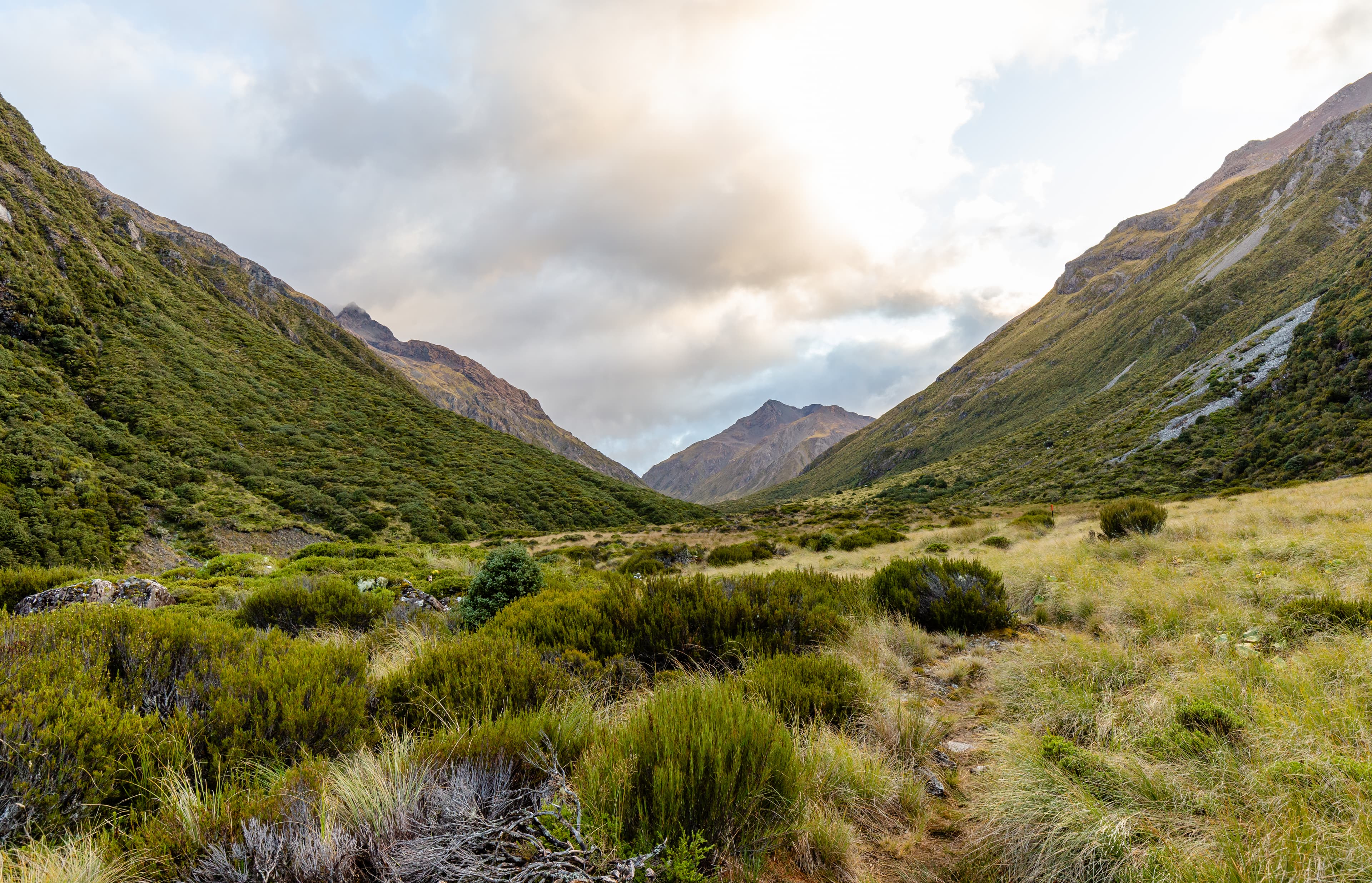
Arthur's Pass National Park
Arthur's Pass National Park — National park in Canterbury, canterbury.
National Park in Canterbury
Photo: Wikimedia Commons (CC BY-SA)
 Written by Ben Cole· Updated Apr 2026
Find Nearby Accommodation
Hotels, apartments, hostels and luxury stays
We may earn a commission from bookings made through these links, at no extra cost to you.
About Arthur's Pass National Park
Straddling the main divide of the Southern Alps, Arthur's Pass is one of the highest settlements in New Zealand and a gateway between Canterbury and the West Coast. The park features dramatic gorges, waterfalls, beech and podocarp forests, and alpine meadows. Home to the cheeky kea, the world's only alpine parrot.
Arthur's Pass National Park sits across the main divide of the Southern Alps, straddling the boundary between Canterbury and the West Coast. At 1,145 square kilometres, it's one of New Zealand's more dramatic alpine environments — a landscape shaped by glacial forces and defined by deep gorges, thundering waterfalls, beech and podocarp forests, and open alpine meadows. The park's small village, perched at 920 metres above sea level, holds the distinction of being the highest-altitude settlement in the country.
For travellers based in Christchurch, the park offers a rare combination of accessibility and genuine alpine wilderness. You can be standing in the shadow of the Southern Alps in under three hours, and with one to three days here you'll barely scratch the surface of what the park has to offer.
What to See and Do
The park's most popular short walk leads to Devils Punchbowl Falls, a manageable track suitable for families with school-age children. It's one of the more accessible highlights in the park, offering a rewarding destination without demanding technical ability or exceptional fitness.
For those with more experience and stamina, Avalanche Peak is the standout day walk. It's a serious alpine climb requiring good fitness and sound navigation skills, but the views across the Southern Alps reward the effort considerably. Given the name, it should come as no surprise that this route demands respect — conditions can shift quickly, and the terrain is unforgiving.
Photography and birdwatching are well served throughout the park. The main attraction on that front is the kea — the world's only alpine parrot, and a bird that's as bold as it is intelligent. You're likely to encounter them around carparks and picnic areas. They're entertaining to watch, but worth keeping at a distance: kea are notorious for pulling at rubber seals and soft fittings on vehicles, and a few minutes of inattention can result in real damage.
Mountaineering is a core part of the park's identity. Arthur's Pass village has long served as a base for climbers heading into the Southern Alps, and the park contains routes that challenge experienced alpinists. If that's your purpose, the visitor centre is your first stop for up-to-date conditions and guidance.
The Otira Viaduct, visible from State Highway 73 on the West Coast approach, is a striking piece of engineering that's worth pausing to take in as you pass through.
History
The pass takes its name from Arthur Dudley Dobson, the surveyor who identified the route in 1864 while searching for a viable crossing of the Southern Alps. His discovery came at a significant moment — the West Coast gold rush was drawing thousands of people westward, and a reliable mountain crossing was urgently needed. The route Dobson identified became that crossing, linking Canterbury to the goldfields and later supporting the construction of the Otira railway tunnel.
The national park itself was established in 1929, making it one of New Zealand's earlier protected areas. Today the village that grew up around the pass still functions as the park's hub, home to the visitor centre, basic services, and the starting point for most of the major tracks.
Getting There and Access
Arthur's Pass is reached via State Highway 73, roughly 2.5 hours east of Hokitika and 2.5 hours west of Christchurch. From the Canterbury side, the route passes through Springfield and Castle Hill before climbing to the village. From the West Coast, the approach runs through Otira.
A vehicle is essential — there is no public transport to the park. All carparks within the park are unsealed. Free parking is available at the visitor centre in Arthur's Pass village (around 40 spaces, with overflow parking available in the village itself) and at multiple trailhead carparks including Avalanche Peak, Devils Punchbowl, and Bealey Valley.
Entry to the park is free.
Visitor Tips
Weather in the Southern Alps is notoriously unpredictable. Even on a clear morning, conditions can deteriorate rapidly, and afternoon storms are common in summer. Bring extra layers and full rain gear regardless of the forecast, and aim to start walks early.
Fuel and supplies are not available in the park itself, and the cafe at the visitor centre offers only basic food and hot drinks. Stock up in Springfield or Castle Hill before you enter the park — this is not a suggestion to take lightly, particularly if you're planning an overnight stay or an early start.
If you're visiting in winter or after significant snowfall, avalanche risk is a real consideration. Check conditions at the visitor centre before heading out on any route — staff there will have current information on what's safe and what isn't.
On the subject of kea: keep your distance, don't feed them, and don't leave your vehicle unattended near areas where they congregate. Damage to car seals and rubber trims is a genuinely common outcome of an encounter with an overly curious kea.
Best Time to Visit
November through March offers the most stable conditions for walking and mountaineering. Snow is possible at any time of year at higher elevations, but the summer months give you the best weather window for the longer alpine routes. Winter visits are rewarding in their own way — the landscape is striking under snow — but require greater awareness of avalanche conditions and significantly more preparation.
Nearby Attractions
The Castle Hill limestone formations, passed on the approach from Christchurch, are well worth a stop. The extraordinary clusters of weathered boulders scattered across the valley floor make for excellent exploring and photography. Springfield, a short distance further east, is a useful service stop and the last reliable place to fill up before the park.
Warnings
Getting There
On State Highway 73 between Christchurch (2.5 hours east) and Hokitika (2.5 hours west). Arthur's Pass village is the main hub. No public transport to the park; a vehicle is essential. Approach from either the Canterbury side via Springfield or from the West Coast via Otira.
Parking
Free parking at Arthur's Pass village visitor centre and at multiple trailhead carparks (Avalanche Peak, Devils Punchbowl, Bealey Valley, etc.). Capacity varies by location; main visitor centre has around 40 spaces. Overflow parking available in village. All carparks are unsealed. No accessible parking marked, but relatively level access at main facilities.
Visitor Tips
- •Bring extra layers and rain gear—weather changes rapidly at altitude. Start walks early to avoid afternoon storms and crowds. Watch for kea around carparks; they'll damage vehicle seals and rubber if given the chance. Fill up fuel and supplies in Springfield or Castle Hill before entering the park. Avalanche risk is real in winter and after heavy snow—check conditions at the visitor centre.
Find Nearby Accommodation
Hotels, apartments, hostels and luxury stays
We may earn a commission from bookings made through these links, at no extra cost to you.
Quick Facts
At a Glance
The Place
- Area
- 1185 km²
- Established
- 1929
- Significance
- National
Plan Your Visit
- Entry
- Free
- Duration
- 1-3 days
- Best Time
- November to March
Location
- Region
- Canterbury
- State
- Canterbury
Good to Know
Highlights
Activities
Family & Visitor Info
- Ages
- All ages for short walks and village exploration; families with primary-school children can handle Devil's Punchbowl Falls and easier tracks. Avalanche Peak and mountaineering require experience and fitness. Not suitable for young children on technical or long alpine routes.
- Shade/Cover
- Limited shade
- Pram Friendly
- No
Food & Drink
Small cafe at visitor centre sells basic supplies and hot drinks. BYO food strongly recommended—limited options in the park. Picnic areas available at carparks. Stock up in Springfield or Castle Hill before arrival.
Features
Facilities
Nearby
Campsites(5)
Trails(3)
Attractions(1)
Find Nearby Accommodation
Hotels, apartments, hostels and luxury stays
We may earn a commission from bookings made through these links, at no extra cost to you.