Electric Trailer Brake Controller Guide for Australia
Electric Trailer Brake Controller Guide for Australia
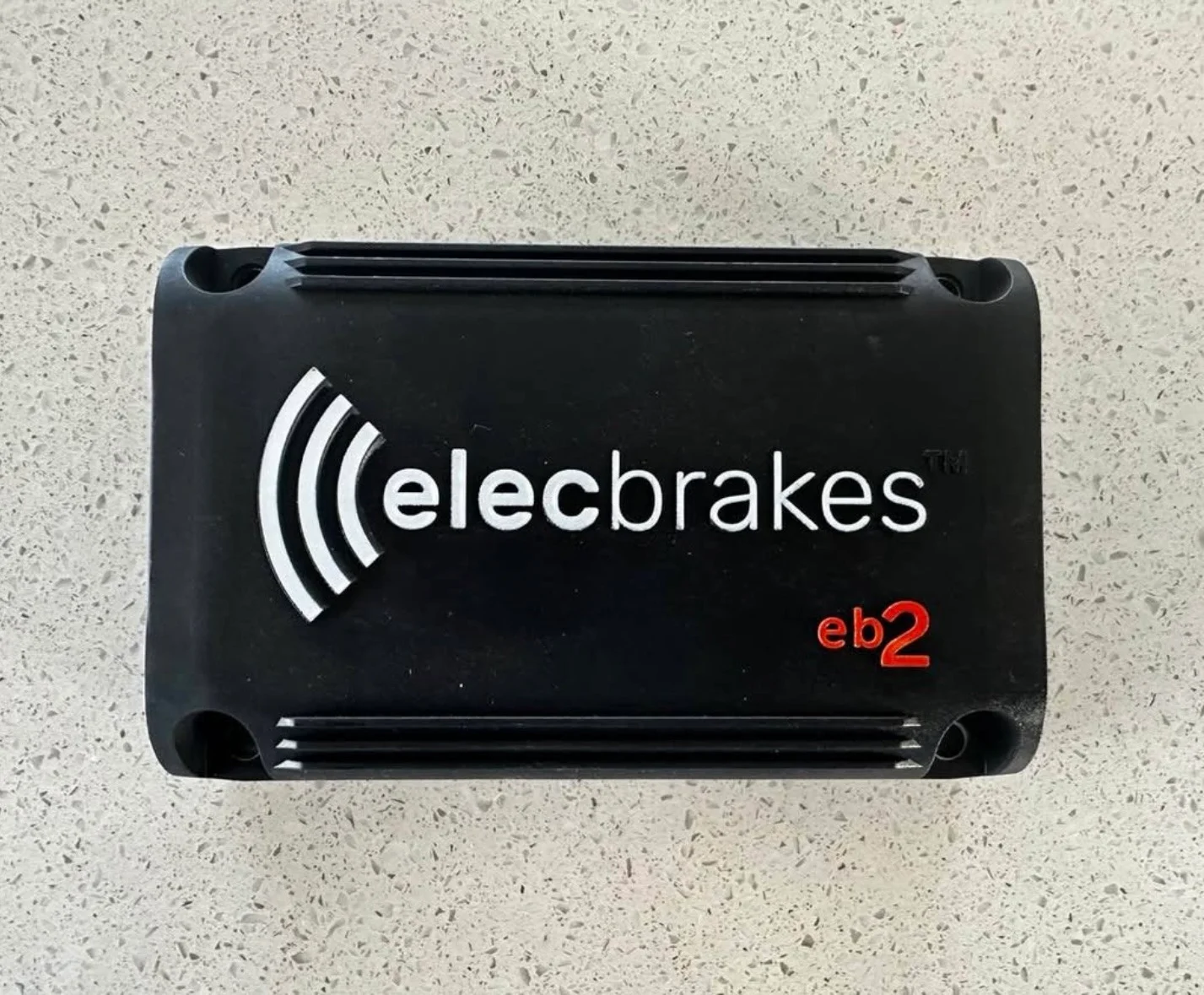
An electric trailer brake controller sits between your tow vehicle and your trailer's electric brakes. It sends the trailer's brakes a signal in proportion to how you are braking, so the two stop together.
Which type suits you depends on the rig you tow and whether you swap vehicles. The short answer is below, then the types, setting one up, and keeping it working.
Which type suits which rig?
- Proportional controller: senses how hard the tow vehicle is slowing and brakes the trailer to match.
- Time-delayed controller: applies a preset braking force after a short delay. It is the most basic type and stays effective for a lighter trailer.
- Integrated controller: some tow vehicles come with one fitted at the factory.
- Portable (wireless) unit: moves between vehicles without complex wiring. It suits you if you share towing or change vehicles.
How does a controller work?
When you brake, the controller senses the slowing and sends a signal to the trailer's brake magnets. A proportional unit uses an accelerometer to read how fast you are slowing, then brakes the trailer in step.
Some controllers are mounted in the tow vehicle, and some sit on the trailer. Check which kind you are buying before you buy.
Portable and trailer-mounted units
A portable unit needs no permanent changes to the tow vehicle. It connects through the 12-volt accessory outlet and moves between vehicles. The 31 January post lists manual brake activation for testing, gain adjustment for different loads, battery level monitoring and fault alerts among their features.
If you share towing, change vehicles or tow more than one rig, a portable unit is worth a look.
Vehicle compatibility
Not every controller suits every vehicle. Check the manufacturer's compatibility list for your vehicle, and ask whether it needs a vehicle-specific wiring harness. Check it works with the vehicle's electronic stability systems. Some newer vehicles come pre-wired for a trailer brake controller, which makes fitting simpler. For a complex integration, ask a professional installer.
Setting one up
If the job needs changes to the vehicle's wiring, works with the vehicle's electronic systems or is outside what you are comfortable doing, have it fitted by a professional.
Match the controller to your trailer. It needs enough current capacity for the trailer's brake magnets.
To set it up for your trailer:
- Connect the trailer and make sure the plugs and wiring are secure.
- Set the gain to the minimum.
- Test somewhere safe, away from traffic and obstacles.
- Raise the gain gradually while you test the brake response.
Keeping it working
- Clean the electrical connections to prevent corrosion.
- Test the manual activation.
- Check the controller is mounted securely and the connections are sound.
If the trailer does not brake:
- Check the connections at the vehicle and trailer plugs.
- Test the trailer's brake magnets with a multimeter.
- Inspect the wiring for damage or corrosion.
Questions people ask
Does the controller go in the vehicle or on the trailer?
Both kinds are sold. Some are fitted in the tow vehicle and some are portable units that sit on the trailer. Check which kind you are buying before you buy.
Can I fit a controller myself?
Some people do. Have it fitted by a professional if it needs changes to the vehicle's wiring, has to work with the vehicle's electronic systems, or you are not comfortable with electrical work.
What if the trailer brakes do not respond?
Check the connections at the vehicle and trailer plugs, test the trailer's brake magnets with a multimeter, and inspect the wiring for damage or corrosion.
What does the law need?
Requirements for trailer brakes differ between states and change with the weight of the trailer. This guide does not state weight limits. Ask your state road authority for the rules that apply to your trailer and your controller.
This is general information, and the official source governs.